Minimal Beginner Flexibility Workout That Reduces Stiffness Daily
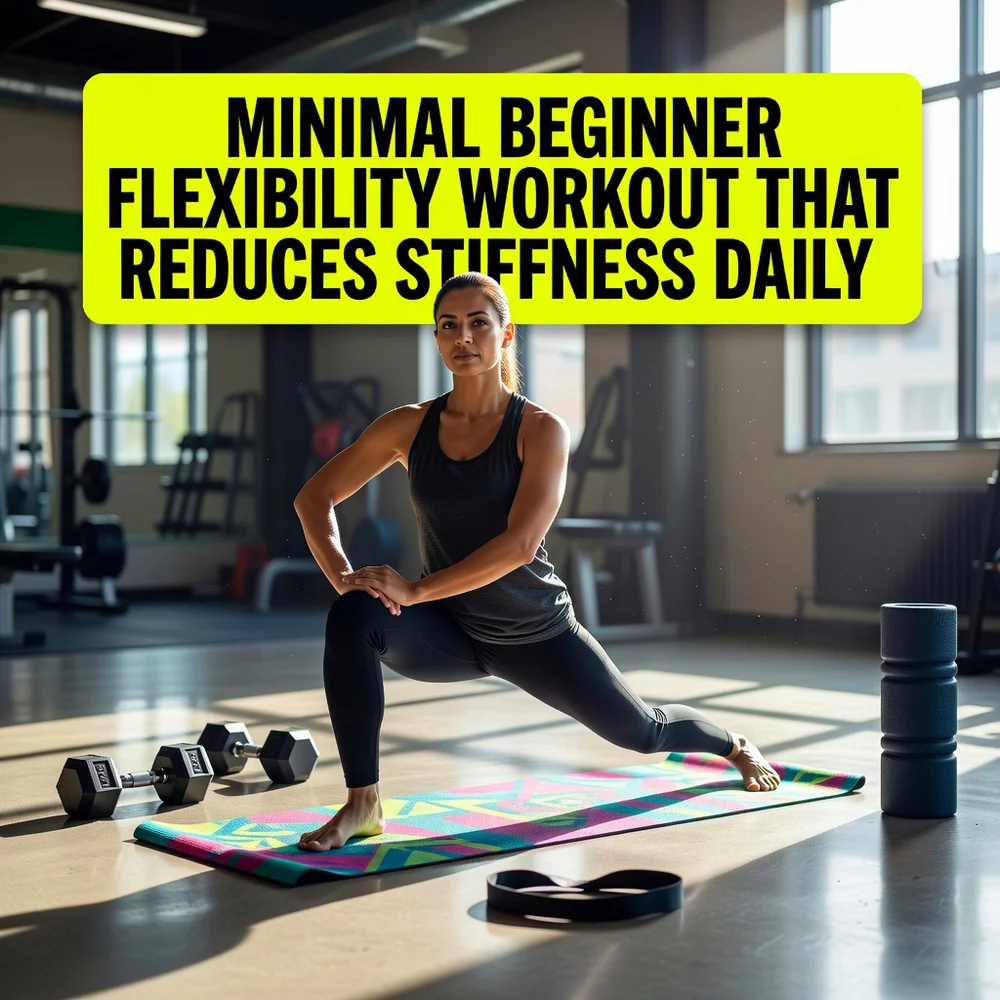
Feeling stiffness after long hours of sitting can be a frustrating experience. Incorporating flexibility and mobility exercises into your daily routine can significantly improve your comfort and overall well-being. Here are 7 simple stretches to get you started on reducing stiffness and enhancing your flexibility every day.
Beginner Hip Flexor Stretch That Undoes Hours of Sitting at a Desk
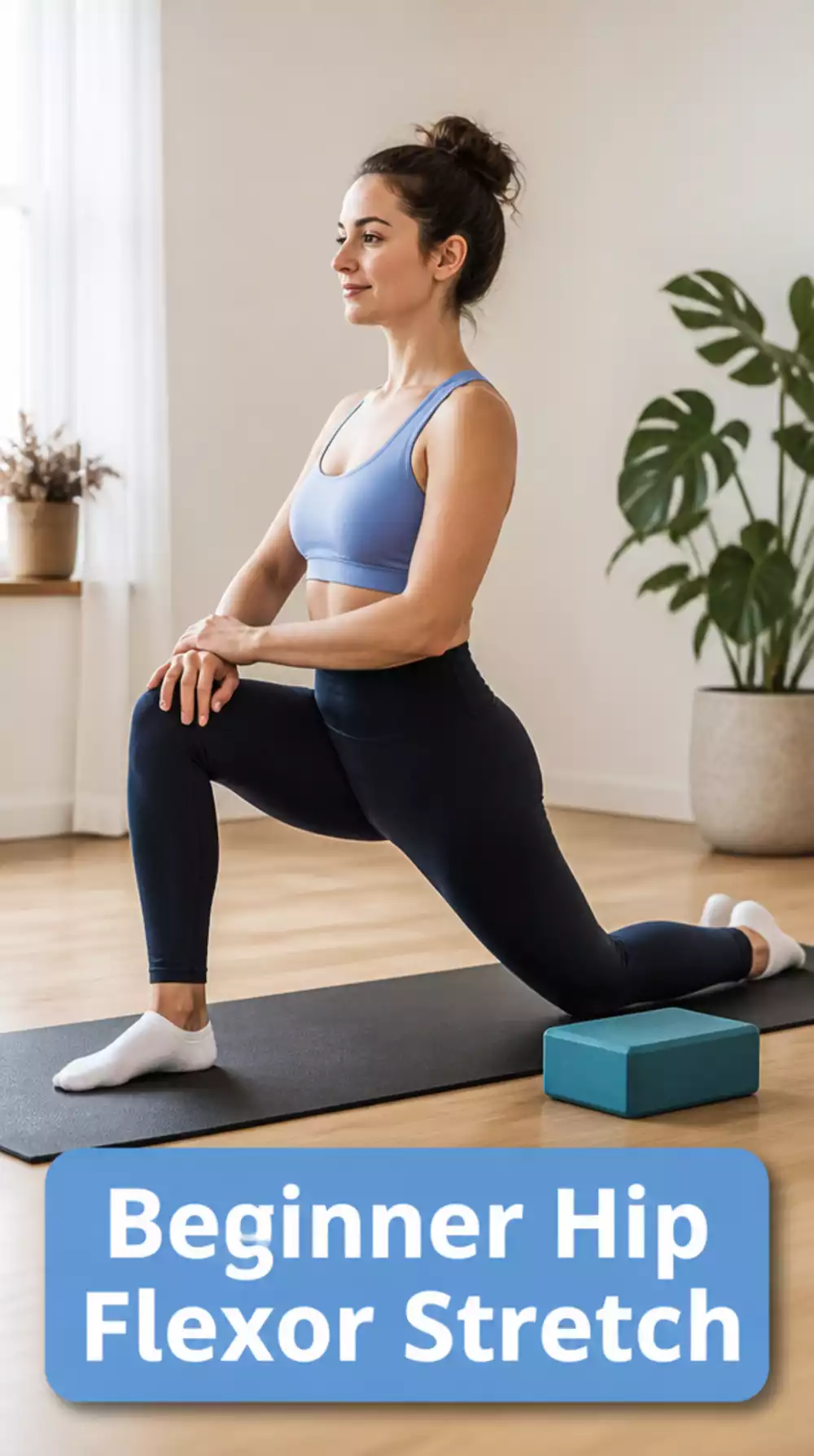
Ease your hip tightness from long hours at your desk.
As an Amazon Associate I earn from qualifying purchases. Affiliate links may earn me a commission at no extra cost to you.
Understanding the Beginner Hip Flexor Stretch: Hip flexor stretches are essential for counteracting the stiffness caused by prolonged sitting. They not only improve mobility but can also help alleviate discomfort and enhance your overall posture, making them crucial for anyone leading a sedentary lifestyle.
Where Most People Get Stuck: Many beginners rush through their stretches, thinking they need to hold them for just a few seconds. However, holding each stretch for at least 30 seconds allows muscles to relax and lengthen properly, yielding better results in flexibility.
- ★Incorporate a sturdy foam yoga block to deepen your stretch and maintain balance. Check it out here!
- ★Keep your chest lifted during the stretch to ensure proper alignment and avoid strain.
- ★Avoid bouncing in the stretch; hold steady to prevent injury and maximize effectiveness.
⭐ Top Products for Hip Flexor Stretches
Sturdy Foam Yoga Block Set
Enhance your hip flexor stretches with this set, providing stability and support for beginners.
View on Amazon →XL Foam Yoga Wedge Blocks
These wedges offer a unique angle for deeper stretches, enhancing your mobility and flexibility.
View on Amazon →Exercise Bands for Physical Therapy
These bands are perfect for strength training, allowing you to improve flexibility at your own pace.
View on Amazon →💡 Quick Tips:
- Hold each stretch for at least 30 seconds: This allows your muscles to relax and fully benefit.
- Use a sturdy yoga block: It helps deepen your stretch and maintain balance.
- Focus on your breathing: Inhale deeply as you stretch to enhance relaxation and effectiveness.
Beginner Hamstring Stretch That Reduces Tightness After Leg Workouts
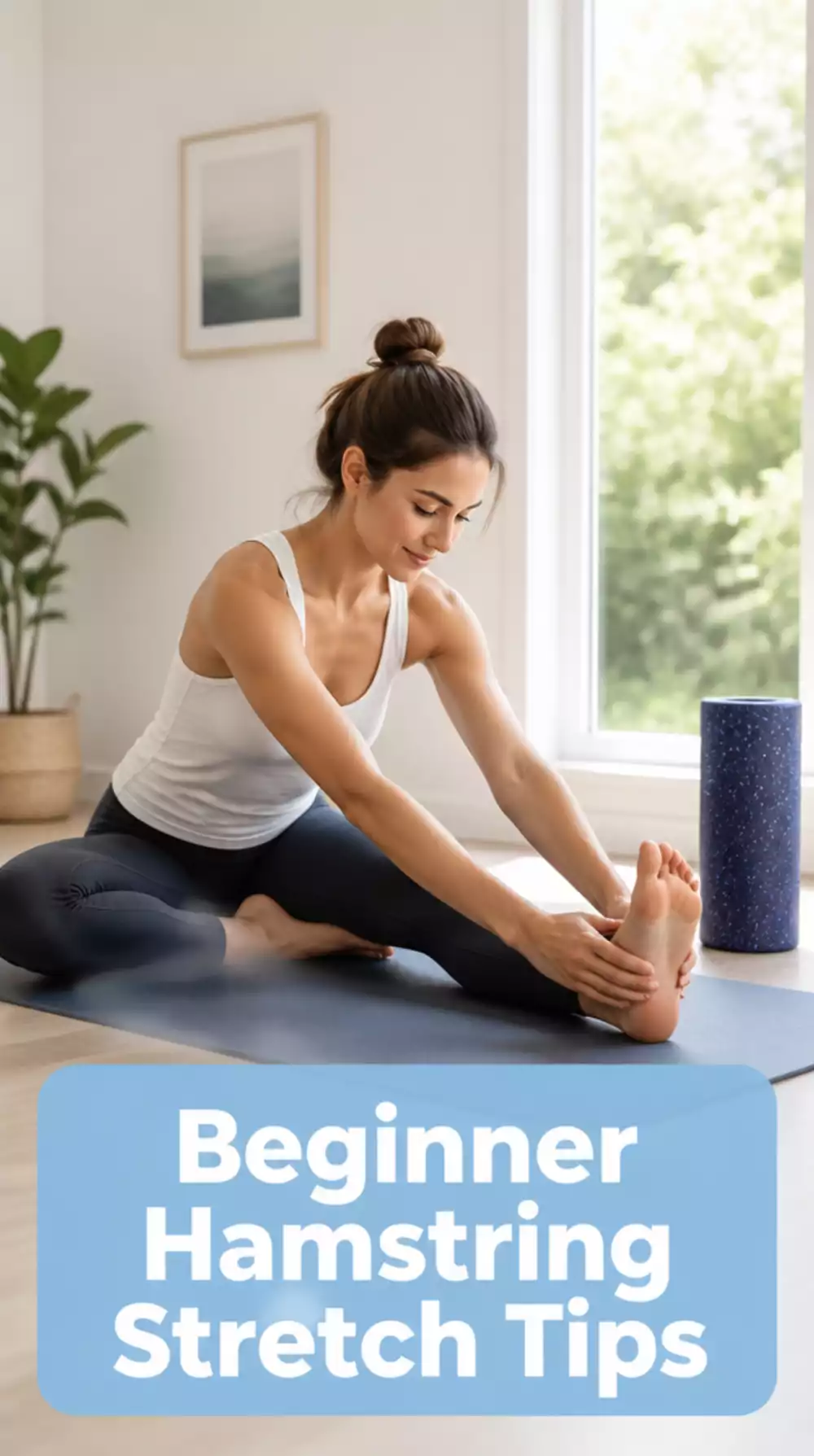
Stretching after leg workouts helps you recover and feel great.
Why Hamstring Stretches Matter: Tight hamstrings can feel like a roadblock to recovery, especially after leg workouts. Incorporating hamstring stretches can significantly improve flexibility, enhance performance, and reduce the risk of injury. Regular stretching helps diminish tightness and promotes better blood flow to the muscles.
What People Rarely Consider is that overstretching can lead to more harm than good. Many beginners rush through their stretches, eager for instant results. For instance, trying to reach your toes without warming up can cause strain. Focus on gradual progression, listening to your body, and allowing it to guide your limits.
- ★Hold each hamstring stretch for at least 30 seconds to maximize benefits.
- ★Use a foam roller like the High-Density EPP Round Back Roller to ease tightness further.
- ★Avoid bouncing while stretching; it can increase the risk of injury.
⭐ Top Products for Hamstring Stretches
Compact Textured Foam Roller
Improve circulation and ease muscle tension post-workout with this compact roller.
View on Amazon →High-Density EPP Round Back Roller
This versatile roller enhances workouts and recovery with comfortable support.
View on Amazon →5 in 1 Foam Roller Set
This complete set is ideal for deep tissue massage and effective recovery.
View on Amazon →🚀 Quick Tips:
- Warm Up First: Spend a few minutes warming up before stretching to prevent injuries.
- Focus on Breathing: Inhale deeply as you stretch, helping to relax your muscles.
- Use a Foam Roller: Roll out tight hamstrings before stretching for better results.
Beginner Shoulder Mobility Exercise That Fixes Upper Back Stiffness
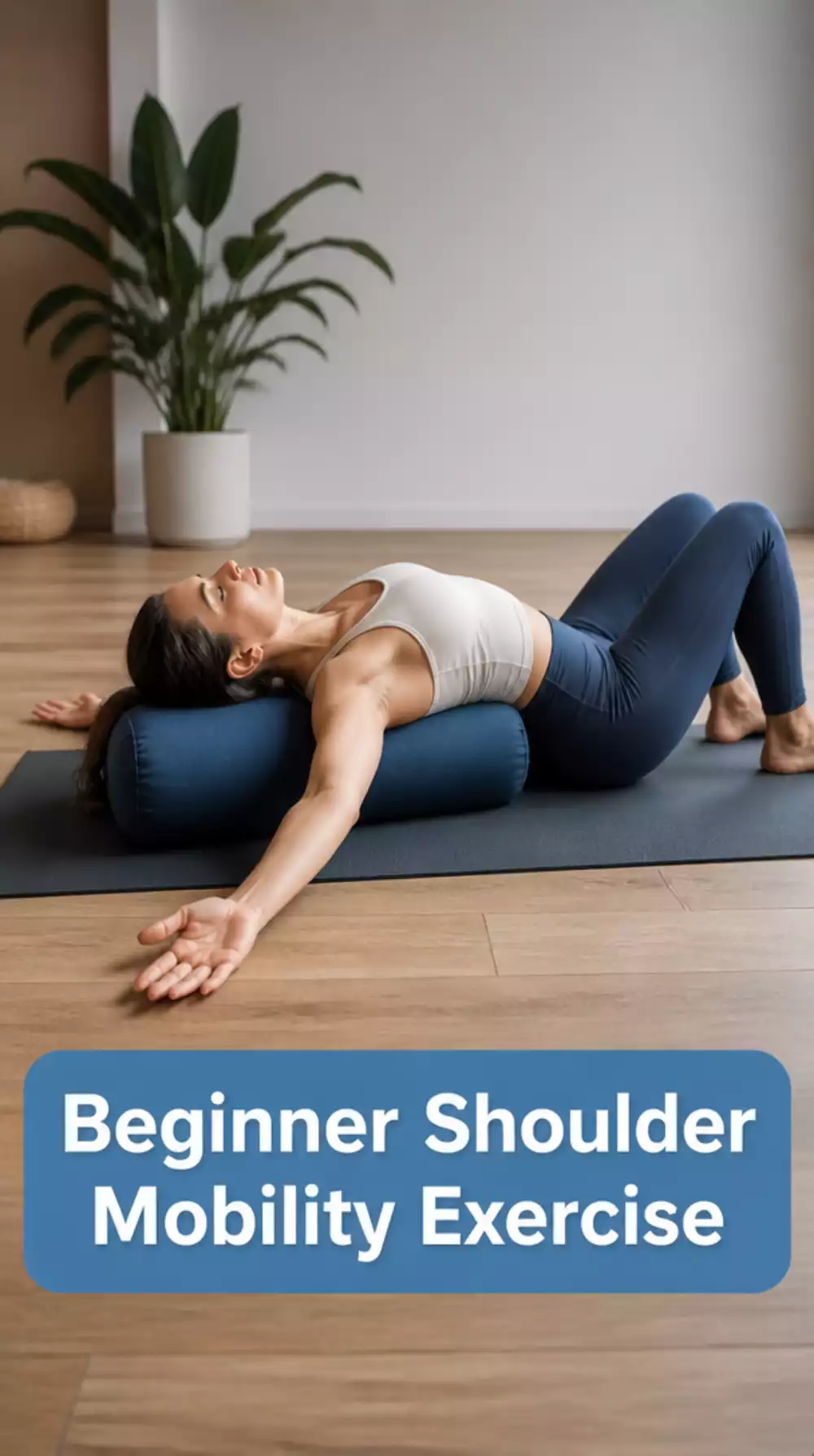
Unlock better posture and reduce stiffness in just minutes daily.
Why Shoulder Mobility Matters: Shoulder mobility is crucial for maintaining a healthy posture and enhancing overall movement. Stiff shoulders can lead to discomfort and decreased range of motion, impacting daily activities. Regular mobility exercises help alleviate this stiffness, promoting flexibility and comfort in the upper back.
Where Most People Get Stuck is overlooking the importance of slow, controlled movements during shoulder mobility exercises. In the hustle of daily life, it’s easy to rush through stretches. However, taking the time to focus on form and control can significantly enhance your results, leading to better outcomes in flexibility and comfort.
- ★Incorporate a yoga bolster to support your stretches and enhance alignment.
- ★Hold each stretch for 30 seconds to truly benefit from the mobility work.
- ★Avoid rushing through movements; focus on slow, deliberate actions for maximum effect.
⭐ Top Products for Shoulder Mobility
Resistance Bands for Exercise
Boost flexibility and strength with these bands ideal for shoulder mobility exercises.
View on Amazon →Daily Workout Planner with Meal Tracker
Track your shoulder mobility progress effectively with this comprehensive planner.
View on Amazon →Triple-Layer Sponge Yoga Bolster
This bolster offers support for deeper shoulder stretches and enhances mobility practice.
View on Amazon →🚀 Quick Tips:
- Engage Your Core: Activate your core muscles for better stability during shoulder exercises.
- Use a Mirror: Check your form in a mirror to ensure proper alignment as you stretch.
- Prioritize Warm-Up: Always warm up your shoulders with light movements before deeper stretches.
Beginner Spinal Twist Stretch That Relieves Lower Back Tension Quickly
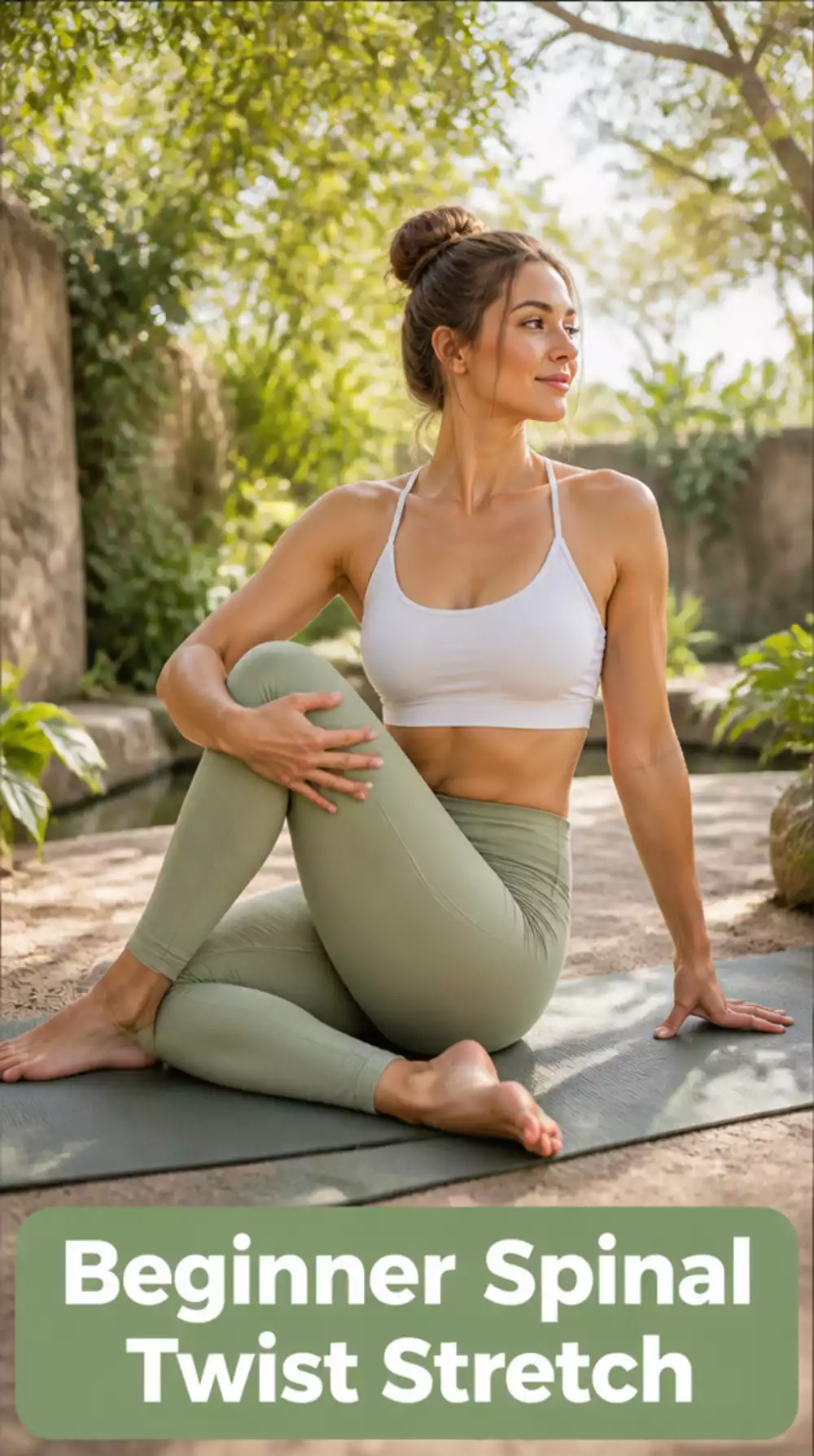
Ease lower back tension with this simple spinal twist stretch.
Understanding the Spinal Twist Stretch: This stretch is essential for maintaining a healthy spine and relieving lower back tension. By focusing on spinal alignment and improved flexibility, spinal twists can enhance your overall mobility and reduce discomfort from daily activities.
What People Rarely Consider: Many beginners overlook the importance of proper breathing during the spinal twist. Holding your breath can create unnecessary tension. Instead, incorporate deep, slow breaths to enhance relaxation and deepen the stretch.
- ★Start seated with your legs extended, bending one knee to cross over the opposite leg.
- ★Use a knee pillow for added support and comfort while twisting.
- ★Remember not to force the twist; keep the movement gentle to avoid strain.
⭐ Top Products for Spinal Twists
Knee Pillow for Back Sleeping
Relieve pressure on your lower back while sleeping with this comfortable knee pillow.
View on Amazon →Back Stretching Roller
Use this durable roller to enhance back flexibility during spinal twist exercises.
View on Amazon →Exercise Bands for Physical Therapy
These versatile bands aid in deepening spinal twist stretches with added resistance.
View on Amazon →💡 Quick Tips:
- Focus on your breath: Deep inhales and exhales can help you relax into the stretch.
- Keep your spine straight: Align your back to avoid unnecessary strain while twisting.
- Practice regularly: Consistency is key; aim for several times a week for best results.
Finding your rhythm with these stretches can feel like unlocking a fresh sense of ease in your body. Even gentle, consistent practice moves you closer to feeling less stiffness day by day. This approach values progress over perfection, making flexibility more approachable and enjoyable.
⚡ Keep This in Mind:
- Avoid skipping your routine; consistency builds lasting flexibility, as shared in easy beginner routines.
- Be mindful not to overstretch to prevent injury and support gradual gains.
- Listening to your body helps balance effort and rest for safer progress.
- Including a warm-up can enhance your stretching benefits and reduce tightness.
Beginner Foam Roller That Releases Muscle Tightness Between Stretch Days
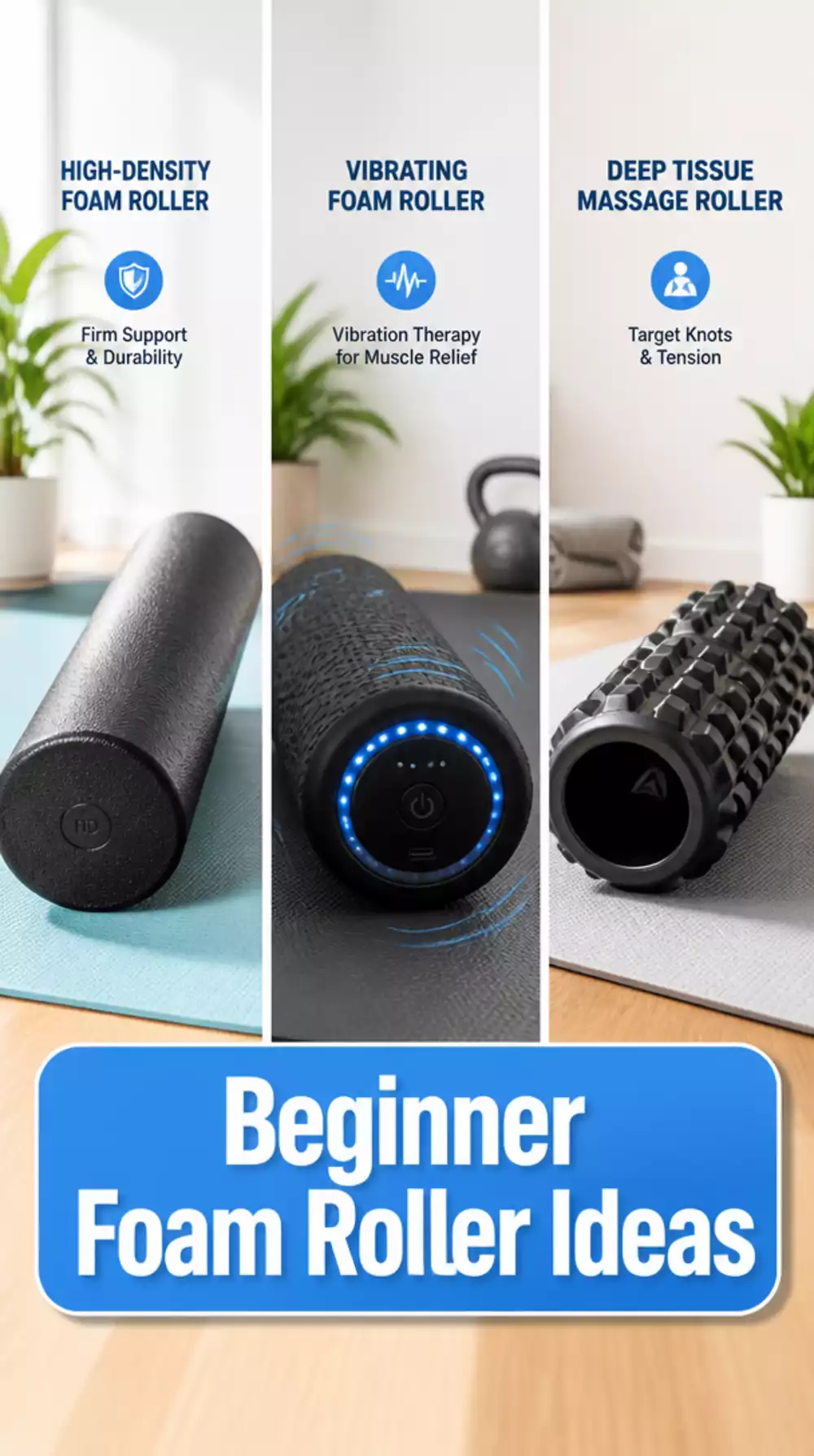
Unlock muscle relaxation and recovery with effective foam rolling techniques.
How a Foam Roller Can Enhance Your Recovery: Foam rollers are fantastic tools for releasing muscle tightness, especially when you're feeling stiff between stretching days. They work by applying pressure to specific areas, promoting circulation and helping to ease tension. Regularly using a foam roller can lead to enhanced flexibility and reduced soreness, making it an essential part of your recovery routine.
Where Most People Get Stuck: Many beginners underestimate the timing of foam rolling. It's most effective when used after workouts or physical activities, but some folks might skip it, thinking stretching is enough. For example, taking just 5-10 minutes after a workout to foam roll can significantly minimize soreness and improve your overall mobility.
- ★Foam roll major muscle groups like the back, legs, and arms to release tightness effectively.
- ★Try using a high-density foam roller for a firm, supportive option.
- ★Don’t rush; spend at least 30 seconds on each area to maximize benefits.
⭐ Top Products for Muscle Recovery
Vibrating Foam Roller
Rechargeable vibrating roller enhances muscle recovery and relaxation for better performance.
View on Amazon →High Density Foam Roller
This durable roller effectively enhances balance and flexibility during recovery.
View on Amazon →Foam Roller for Deep Tissue Massage
This roller's contoured design delivers effective deep tissue massage for sore muscles.
View on Amazon →💡 Quick Tips:
- Keep it regular: Aim to foam roll 2-3 times a week for best results.
- Focus on trouble spots: Spend extra time on areas that feel particularly tight or sore.
- Use controlled movements: Roll slowly over each muscle group to avoid injury and enhance relief.
Yoga Strap for Beginners That Deepens Every Hamstring Stretch Safely
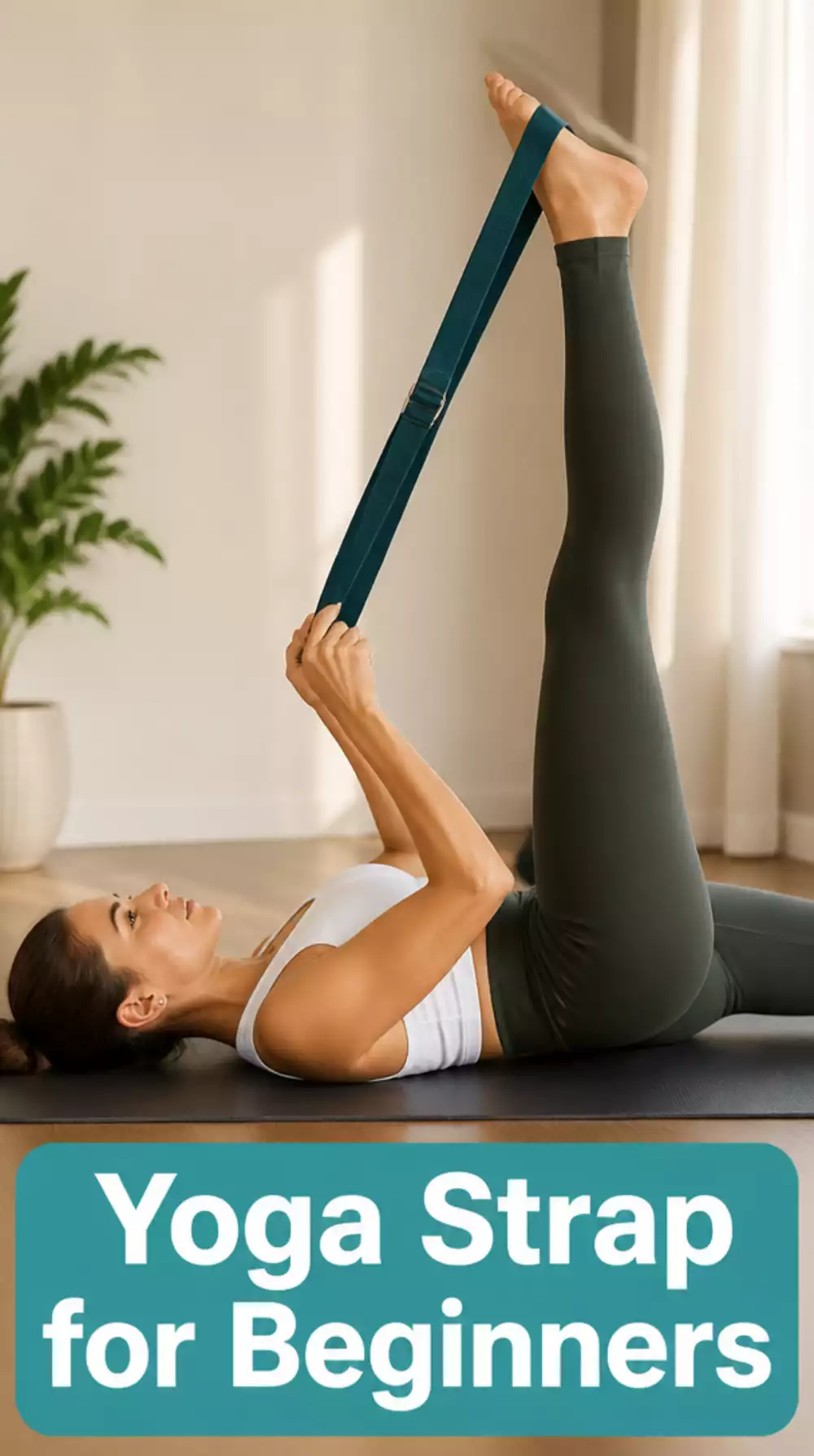
Enhance your flexibility journey with the right support
Why Yoga Straps Are Essential for Beginners: Using a yoga strap can significantly enhance your hamstring stretches by providing added support and safety. This tool allows you to achieve greater depth in stretches without risking injury, helping you improve your flexibility more effectively.
A common misconception is that yoga straps are only for advanced practitioners. In reality, they are incredibly beneficial for beginners, allowing you to ease into stretches comfortably. For instance, if you struggle with reaching your toes, a strap can bridge the gap and help you maintain proper alignment without straining.
- ★Hold the strap at the foot and gently pull to deepen every stretch.
- ★Use a strap to maintain alignment, reducing the risk of injury.
- ★Avoid overstretching; use the strap to control your stretch depth.
⭐ Top Products for Yoga Straps
Adjustable Cotton Yoga Strap
The adjustable cotton material ensures a comfortable grip during deepening hamstring stretches.
View on Amazon →Durable Stretching Band for Flexibility
This versatile band offers adjustable lengths, perfect for enhancing any stretch routine.
View on Amazon →Yoga Strap with Loops
This strap provides essential support for deepening your hamstring stretches safely.
View on Amazon →💡 Your Quick Start Guide:
- Integrate Daily: Use the strap during every hamstring stretch for consistent improvement.
- Mind Your Breath: Inhale deeply as you pull on the strap to deepen your stretch.
- Focus on Alignment: Keep your back straight and engage your core while stretching to prevent strain.
The Beginner Flexibility Tracker That Shows How Much Range You Have Gained
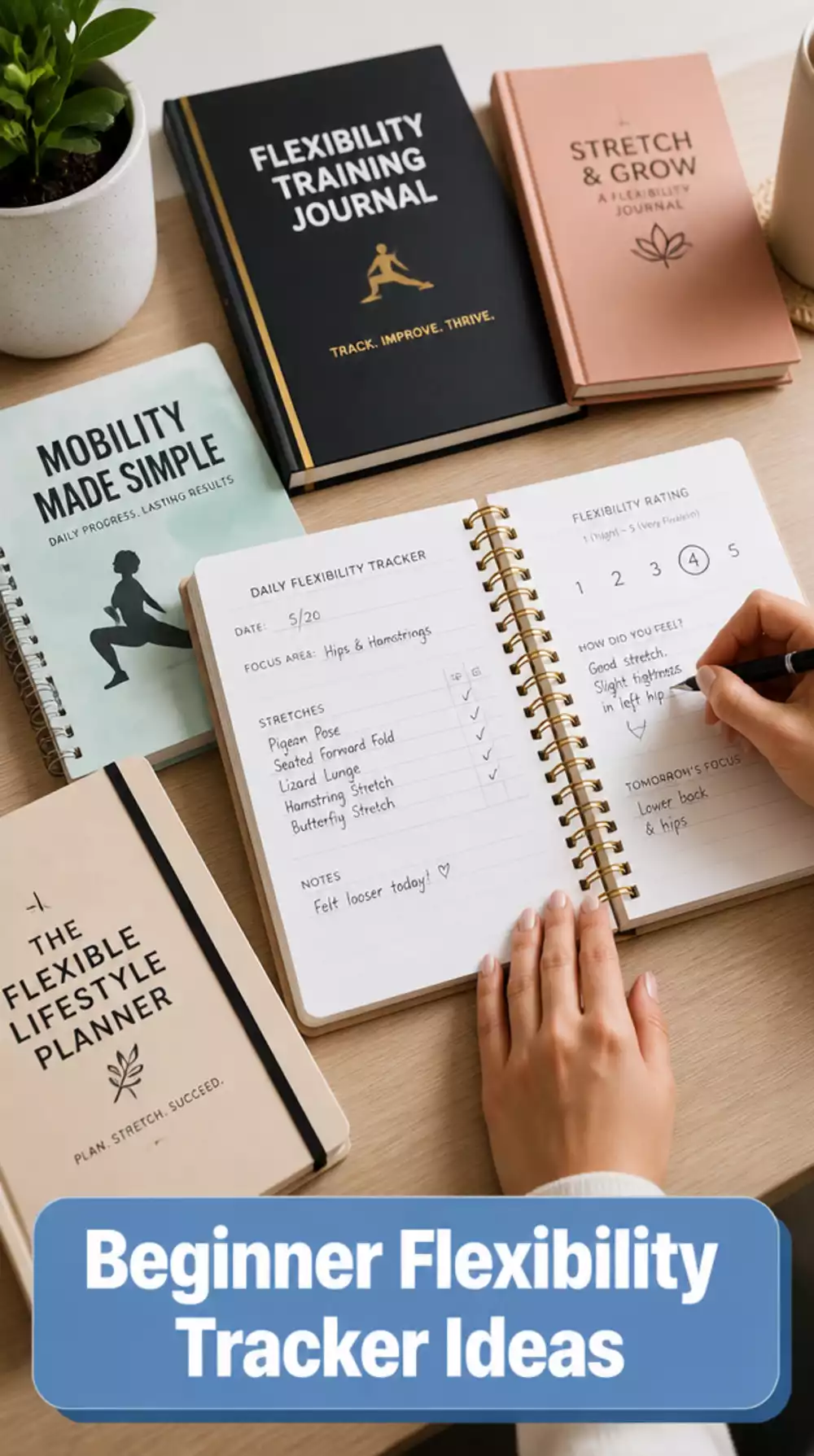
Track your progress and celebrate your flexibility journey!
Understanding the Importance of a Flexibility Tracker: Measuring progress in your flexibility journey can be a game changer. A flexibility tracker highlights your improvements, making it easier to stay motivated and focused. By recording your range of motion, you'll see just how far you've come, and this can be incredibly empowering.
What People Rarely Consider is that tracking flexibility isn't just about numbers. It's about recognizing the small victories. For instance, you may not notice daily changes, but when you look back over a few weeks or months, the progress becomes clear. Consider taking measurements or noting your stretch depth in a journal to visualize your journey.
- ★Use a planner to document your stretching sessions and workout routines.
- ★Set achievable flexibility goals based on your own assessments.
- ★Celebrate small victories, like holding a stretch longer than before.
⭐ Top Products for Tracking Flexibility
Daily Workout Planner and Meal Tracker
This planner helps track your workouts, ensuring consistent progress in your flexibility journey.
View on Amazon →Personal Food and Fitness Journal
This journal provides a holistic view to track your diet alongside your fitness progress.
View on Amazon →Exercise & Fitness Journal for Tracking
This log book includes exercise instructions for effectively tracking your workouts.
View on Amazon →📋 Quick Tips:
- Keep a detailed journal: Document your stretching routines and progress regularly.
- Set specific goals: Aim for measurable flexibility improvements to stay motivated.
- Reflect on your journey: Review your past entries to celebrate your progress over time.
You now have seven practical ways to enhance your flexibility and reduce stiffness in your daily routine. Start with what feels manageable and remember that you don’t have to tackle everything at once.
As you begin this journey, *each small effort contributes to your overall comfort and mobility*—your body will thank you for it. Consider exploring one or two approaches that resonate with you, and enjoy the benefits that come with nurturing your well-being.