Smart Beginner Running Plan That Takes You from Zero to 5K Comfortably

Starting a running routine can feel overwhelming, especially for beginners. Thankfully, a structured approach can help you progress from walking to a continuous 5K in just eight weeks. With the right guidance, you'll find running can be an enjoyable and rewarding journey.
Beginner Run-Walk Interval That Builds Stamina Without Burning Out Early
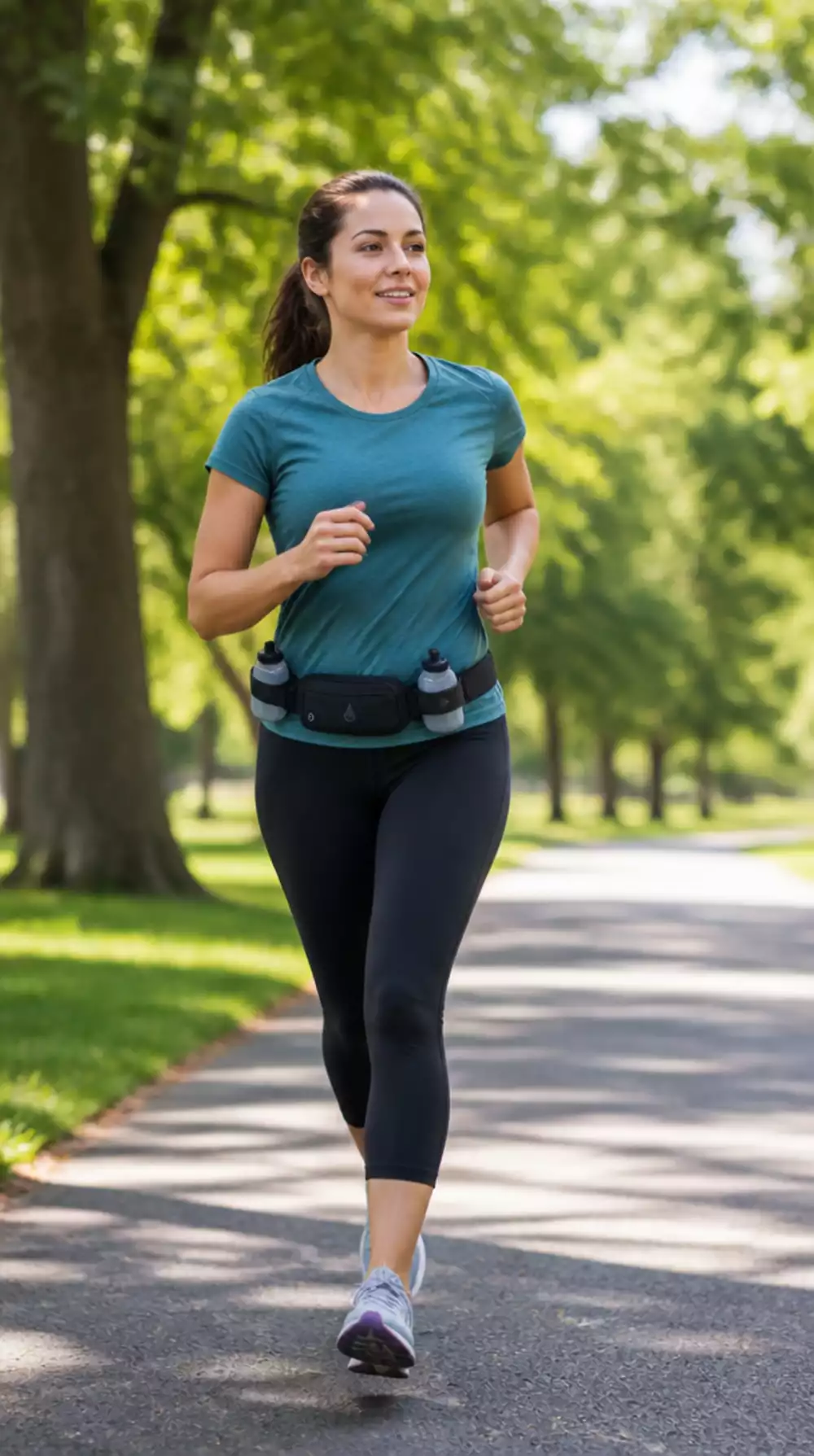
Build your running stamina comfortably with a smart run-walk approach!
As an Amazon Associate I earn from qualifying purchases. Affiliate links may earn me a commission at no extra cost to you.
How the Beginner Run-Walk Interval Works: The run-walk interval is a smart way for beginners to ease into running without the risk of burnout. By alternating between short bursts of running and walking, you gradually build stamina while allowing your body to recover. For example, try running for 1 minute followed by 2 minutes of walking. This method not only boosts your confidence but also prepares you for longer strides ahead.
What many overlook is the importance of adjusting these intervals to their personal fitness level. For instance, if you find the 1:2 ratio challenging, don't hesitate to start with 30 seconds of running followed by 1 minute of walking. Listening to your body is crucial; it’s perfectly fine to modify the intervals as you progress.
- ★Incorporate a hydration belt like the Hydration Running Belt to stay refreshed during your intervals.
- ★Start with intervals of 1 minute running, 2 minutes walking to gradually build up your endurance.
- ★Avoid pushing too hard too soon; focus on comfort and enjoyment to keep motivation high.
⭐ Top Products for Run-Walk Interval Training
Hydration Running Belt with Water Bottle
This hydration belt keeps essentials close, ensuring you stay refreshed during your run-walk intervals.
View on Amazon →Fleece Lined Winter Running Leggings
These warm leggings ensure comfort during chilly outdoor run-walk training sessions.
View on Amazon →Slim Running Belt for Phone and Essentials
This slim belt secures your phone and essentials, minimizing bulk during run-walk intervals.
View on Amazon →💡 Quick Tips:
- Stay Hydrated: Use a hydration belt to keep water accessible during your run-walk intervals.
- Start Slow: Begin with 30 seconds of running followed by 1 minute of walking if needed.
- Listen to Your Body: Adjust your intervals based on how you feel to prevent burnout.
Beginner Running Schedule That Adds Distance Every Week Gradually
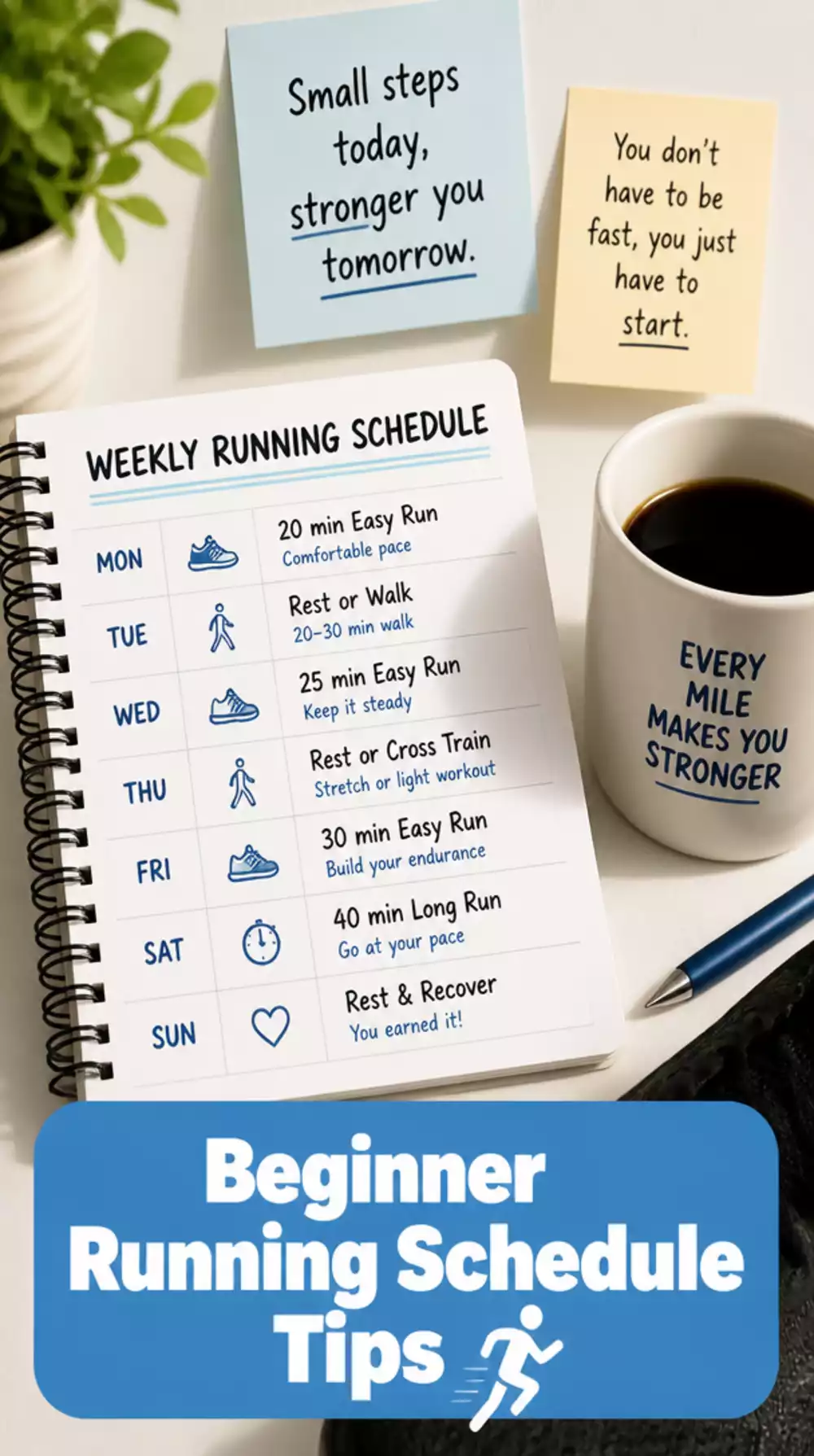
Stay on track and watch your progress soar!
Why a Gradual Running Schedule Matters: Having a structured running schedule is crucial for beginners. It helps you gradually increase distance, preventing overwhelming fatigue and injuries. By tracking your progress weekly, you build confidence and endurance, ensuring you stay motivated as you work towards your 5K goal.
What People Rarely Consider is how essential rest days are in a running schedule. Beginners often skip them in eagerness to progress, but rest is when your body repairs and strengthens. For instance, incorporating a rest day every week allows your muscles to recover, ultimately enhancing your performance.
- ★Set specific distance milestones to achieve each week, like 1 mile in week one, building to 2 miles by week four.
- ★Incorporate a mix of running and walking intervals to ease into longer distances comfortably.
- ★Avoid the mistake of increasing mileage too quickly; stick to the 10% rule for distance changes.
📋 Quick Tips:
- Set a Weekly Goal: Aim for a specific distance each week to track your progress.
- Mix it Up: Incorporate walking breaks to make longer runs feel easier and manageable.
- Listen to Your Body: Adjust your schedule based on how you feel to prevent injuries.
Beginner Running Form Tip That Prevents Shin Splints and Knee Pain
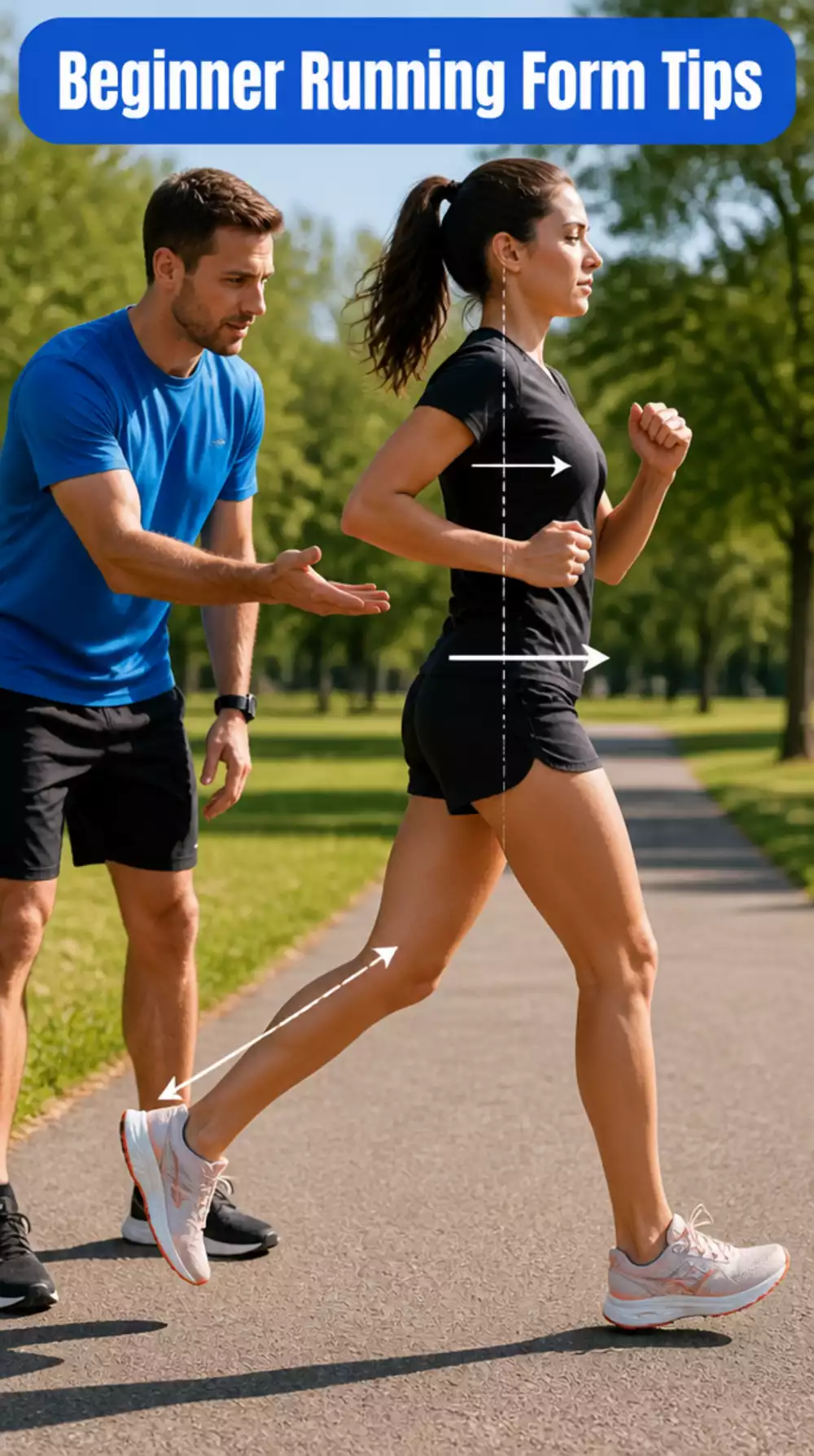
Master proper form to enhance your running experience and prevent injuries.
Why Proper Running Form Matters: Maintaining a strong running form is essential to prevent injuries like shin splints and knee pain. Key principles include keeping your posture upright, ensuring a midfoot strike, and controlling your stride length. This not only boosts your performance but also builds confidence as you run.
Where Most People Get Stuck: Many beginners underestimate how small adjustments in form can make a significant difference. For instance, leaning too far forward or backward can strain your knees, while overstriding increases impact on your shins. It’s easy to overlook these details when focused on distance or speed, yet they play a crucial role in your overall running health.
- ★Focus on keeping your head up and shoulders relaxed to promote better posture.
- ★Incorporate strengthening exercises like lunges or calf raises to support your form.
- ★Consider using an Ultralight Ankle Brace for Support to stabilize your ankles while focusing on form.
⭐ Top Products for Running Injury Prevention
Compression Knee Brace for Pain Relief
This compression knee brace provides needed support, helping to alleviate knee pain for beginners.
View on Amazon →Adjustable Ankle Brace for Recovery
This adjustable brace enhances stability for runners, helping with ankle recovery effectively.
View on Amazon →Ultralight Ankle Brace for Support
The ultralight ankle brace offers crucial support, preventing injuries during running activities.
View on Amazon →💡 Quick Tips:
- Maintain an upright posture: Keep your head up and shoulders back for better alignment.
- Focus on a midfoot strike: Aim to land softly on the middle of your foot to reduce impact.
- Strengthen your core: Include exercises like planks to support your running form effectively.
Beginner 5K Training Plan That Gets a New Runner Race-Ready in Eight Weeks
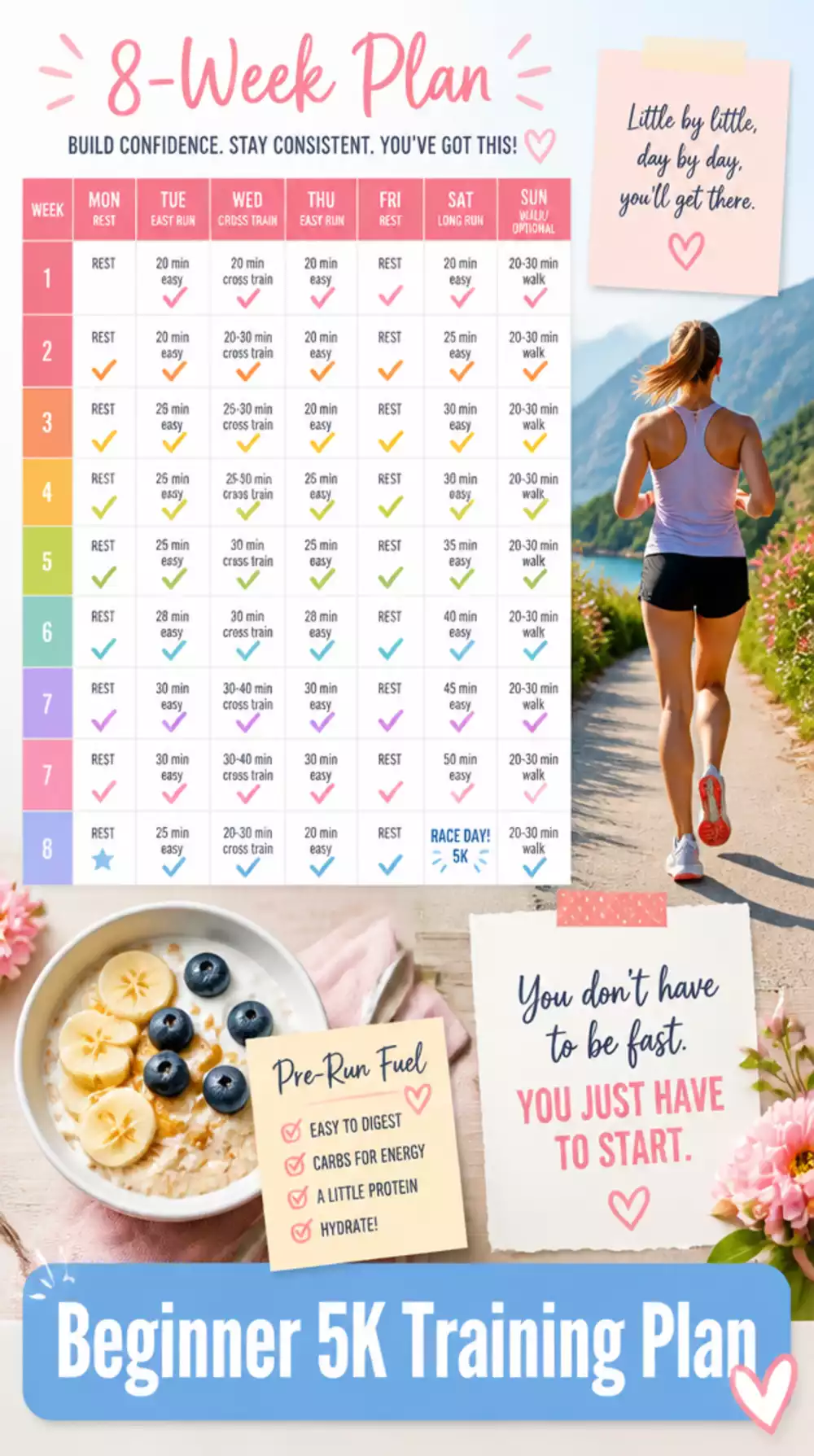
Get ready to embrace your first 5K race with confidence!
Why a Structured Training Plan Matters: A well-rounded 5K training plan includes essential components like long runs, speed work, and recovery days. By following an eight-week schedule, beginners not only build endurance but also gain the confidence needed to tackle race day with a solid strategy for pacing and nutrition.
What Often Gets Overlooked is the importance of adapting the training plan to fit your personal progress. For instance, if you find yourself struggling on a particular week, it’s okay to repeat workouts instead of rushing ahead. This flexibility can lead to better outcomes and a more enjoyable experience as you prepare for race day.
- ★Include a weekly long run to gradually build distance without overexertion.
- ★Incorporate speed work once a week to improve overall race pace.
- ★Don't skip recovery days; they are crucial for muscle repair and stamina building.
🚀 Quick Tips:
- Schedule Rest Days: Plan at least one rest day each week to promote recovery.
- Hydrate Properly: Drink water before and during runs to maintain energy levels.
- Practice Visualization: Visualize your race day to boost confidence and mental readiness.
You're making incredible strides in building your running journey, and every step, no matter how small, counts towards your goal. Taking action through a structured plan truly shifts everything, even when it feels challenging. This journey is about consistent, manageable effort, not chasing immediate perfection.
💡 Worth Remembering:
- Trust your body's signals; rest days are crucial for progress.
- Gradual increases in distance help prevent burnout and injury.
- Patience with your progress will yield lasting results.
- Find inspiration in real beginner stories to stay motivated.
Beginner Running Shoe That Supports Every Stride Without Causing Injury
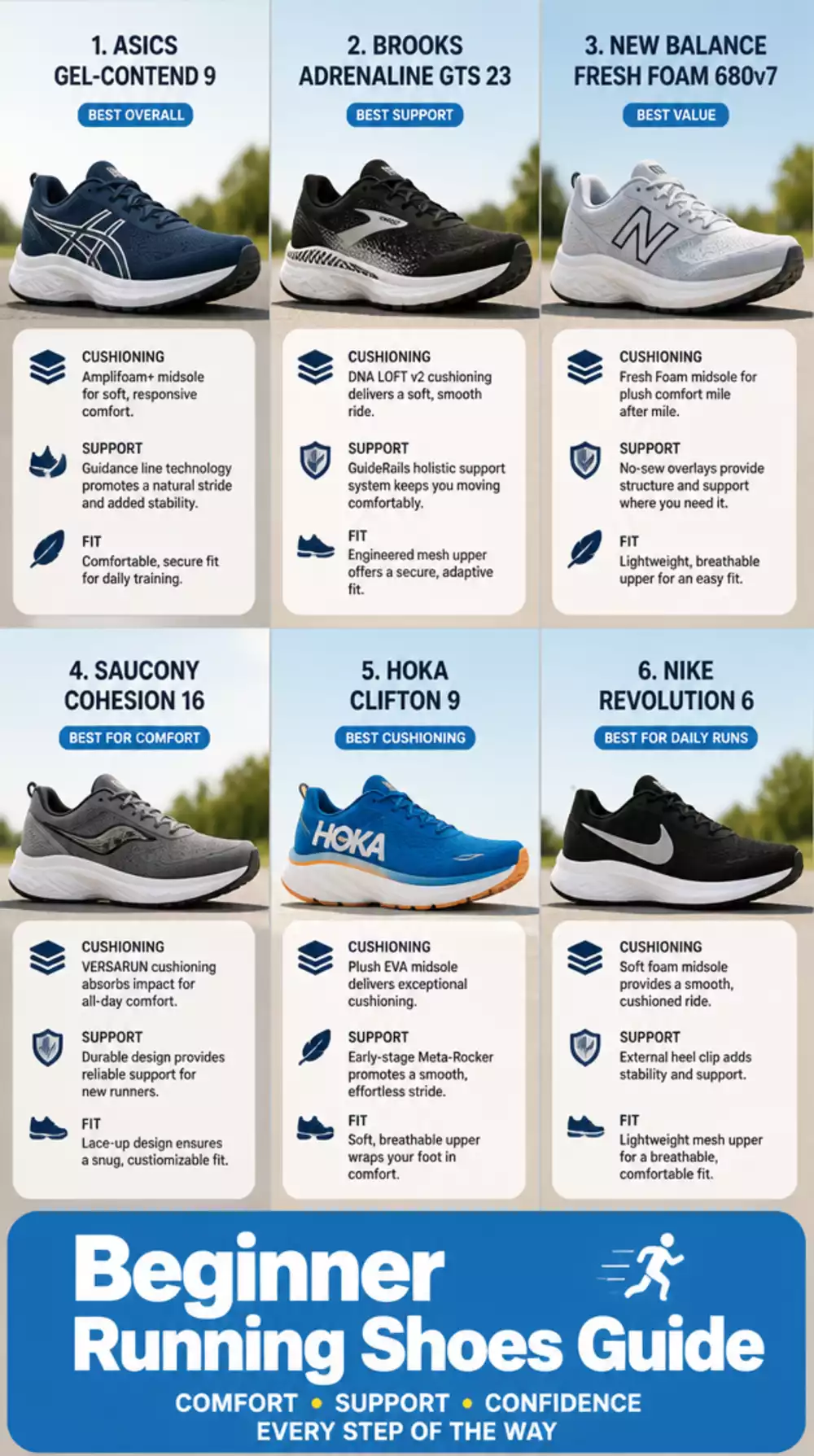
Find the perfect running shoes to keep you injury-free!
Why Choosing the Right Running Shoes Matters: Selecting the right running shoes is crucial for preventing injuries and enhancing performance. A good shoe should cater to your foot shape and running style, offering the right balance of cushioning and support, which can make a world of difference in your comfort level during runs.
What beginner runners often overlook is the importance of fit. Many assume that the most expensive shoes are the best, but it's all about how well the shoe fits your unique foot shape. For instance, if you have a wider foot, opting for a shoe that accommodates that can profoundly affect your running experience.
- ★Look for shoes with good arch support to prevent discomfort during runs.
- ★Consider trying shoes on later in the day when your feet are slightly swollen for a better fit.
- ★Replace your shoes every 300-500 miles to maintain optimal support and reduce injury risk.
🚀 Quick Tips:
- Test the fit: Always try on shoes at the end of the day for a true fit.
- Pay attention to comfort: Choose shoes that feel right from the start—no breaking in required!
- Understand your foot type: Get fitted based on whether you have flat, neutral, or high arches for the best support.
Beginner Running Armband That Holds a Phone Securely on Every Training Run

Stay connected and motivated during your runs.
Why a Beginner Running Armband Matters: A reliable running armband keeps your phone secure while you train. It allows you to listen to motivating playlists or track your progress without the hassle of holding your device. Look for features like water resistance and adjustable straps to ensure comfort and durability.
What People Rarely Consider: When picking an armband, comfort during motion is key. Many beginners overlook the fit while they’re on the move, which can lead to distractions or even chafing. Always try the armband while in action to ensure it stays put and feels good.
- ★Choose an armband with a secure fit to prevent bouncing.
- ★Opt for water-resistant materials to protect your phone from sweat.
- ★Ensure it has a pocket for keys or cards for convenience.
⚠️ A Common Slip-Up:
Many beginners forget to check for adjustability in an armband. This can lead to discomfort during longer runs. Always ensure it's easy to adjust for a snug fit.
🚀 Quick Tips:
- Test the fit: Try your armband while in motion to ensure it stays secure.
- Check for adjustability: Ensure it can be easily adjusted for a snug fit during runs.
- Look for pockets: Choose an armband that has storage for keys or cards for added convenience.
The Beginner Runner Trick That Makes the First Mile Feel Less Terrible
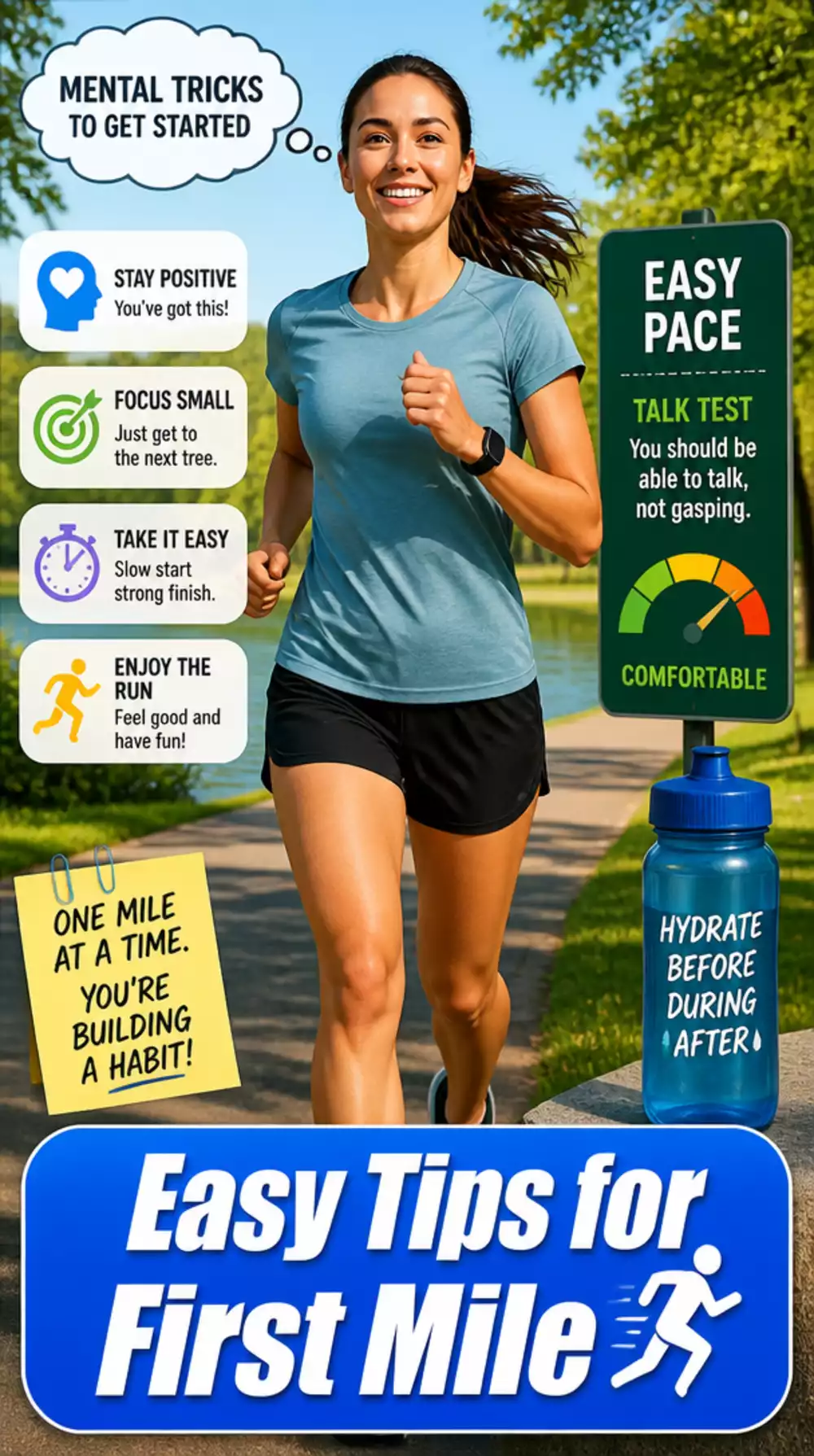
Conquer your first mile with confidence and joy.
Understanding Why the First Mile Feels Tough: The first mile is often the hardest for beginners, but by breaking it into smaller segments and focusing on breathing techniques, you can make it far more manageable. Visualizing your progress helps too, making each step feel like a victory.
What People Rarely Consider is how setting realistic expectations can drastically improve your running experience. Many beginners underestimate their abilities and push too hard, which leads to frustration. For instance, one new runner found success by focusing on the halfway point rather than the finish line, celebrating every step of the way.
- ★Break your run into manageable segments to reduce overwhelm.
- ★Practice deep breathing techniques to maintain calm and focus.
- ★Consider using energy gels like Canaberry Energy Gel for an extra boost during those tough moments.
⭐ Recommended for Running Motivation
Canaberry Energy Gel for Runners
This energy gel provides a quick boost, essential for pushing through your runs.
View on Amazon →Cinnamon Apple Pie Energy Gel
This tasty gel offers balanced carbs, making your first mile much more enjoyable.
View on Amazon →Royal-D Assorted Energy Gels
These assorted gels provide instant energy, perfect for exploring what fuels you best.
View on Amazon →🚀 Quick Tips:
- Break it down: Divide your first mile into manageable segments to feel accomplished.
- Practice deep breathing: Use deep breaths to keep calm and regulate your pace.
- Celebrate small wins: Acknowledge reaching halfway to boost motivation and positivity.
You now have seven insightful strategies to guide your running journey. Embrace what feels achievable as you begin to incorporate these practices into your routine.
Each step you take, no matter how small, contributes to your overall growth as a runner. Your running experience will evolve beautifully as you discover what truly enhances your progress and enjoyment.