Beginner Workout Plan for Women to Build Confidence
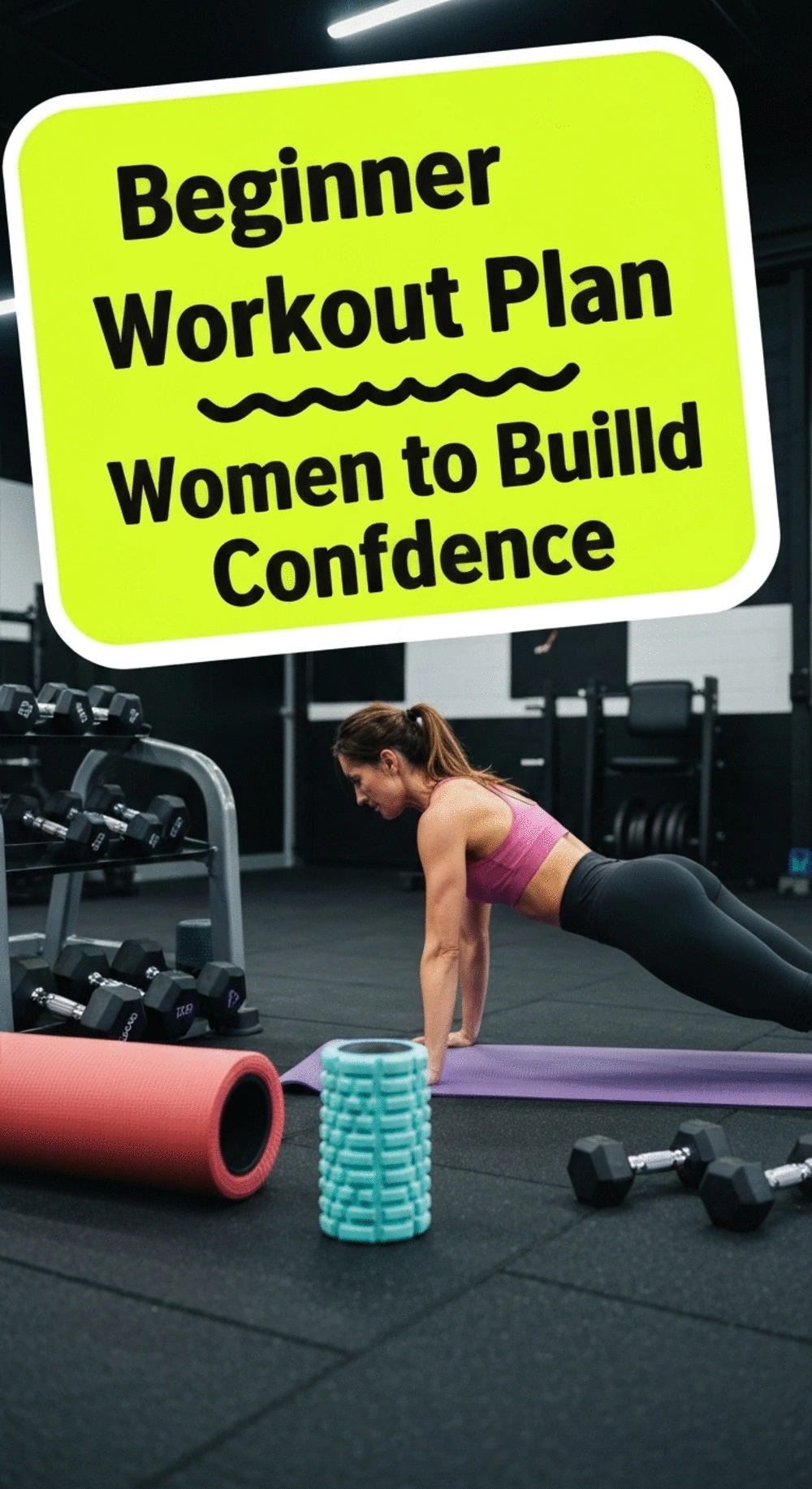
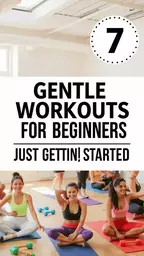
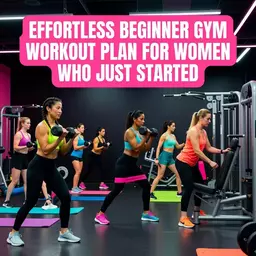
Starting a fitness journey can feel overwhelming, especially when trying to figure out where to begin. A structured beginner workout plan for women is essential for building confidence and ensuring long-term success. Here are 7 simple strategies to help you take that first step toward a healthier lifestyle.
Essential Warm-Up Exercises
Prepare your body with these essential warm-up exercises for a safe start.
As an Amazon Associate I earn from qualifying purchases. Affiliate links may earn me a commission at no extra cost to you.
Understanding Essential Warm-Up Exercises: Warming up is crucial for preventing injuries and preparing your body for exercise. These exercises increase your heart rate and warm up your muscles, making it easier to transition into higher-intensity workouts. Incorporate dynamic movements such as arm circles, leg swings, and light jogging to get your blood flowing.
What People Rarely Consider: Many beginners skip warming up entirely, often undervaluing its importance. This can lead to strains or injuries. For instance, forgetting to warm up before a workout can result in tight muscles and decreased performance. A simple warm-up can elevate your routine and ensure you feel ready to tackle each workout effectively.
- Include dynamic stretches like arm circles and high knees for 5-10 minutes.
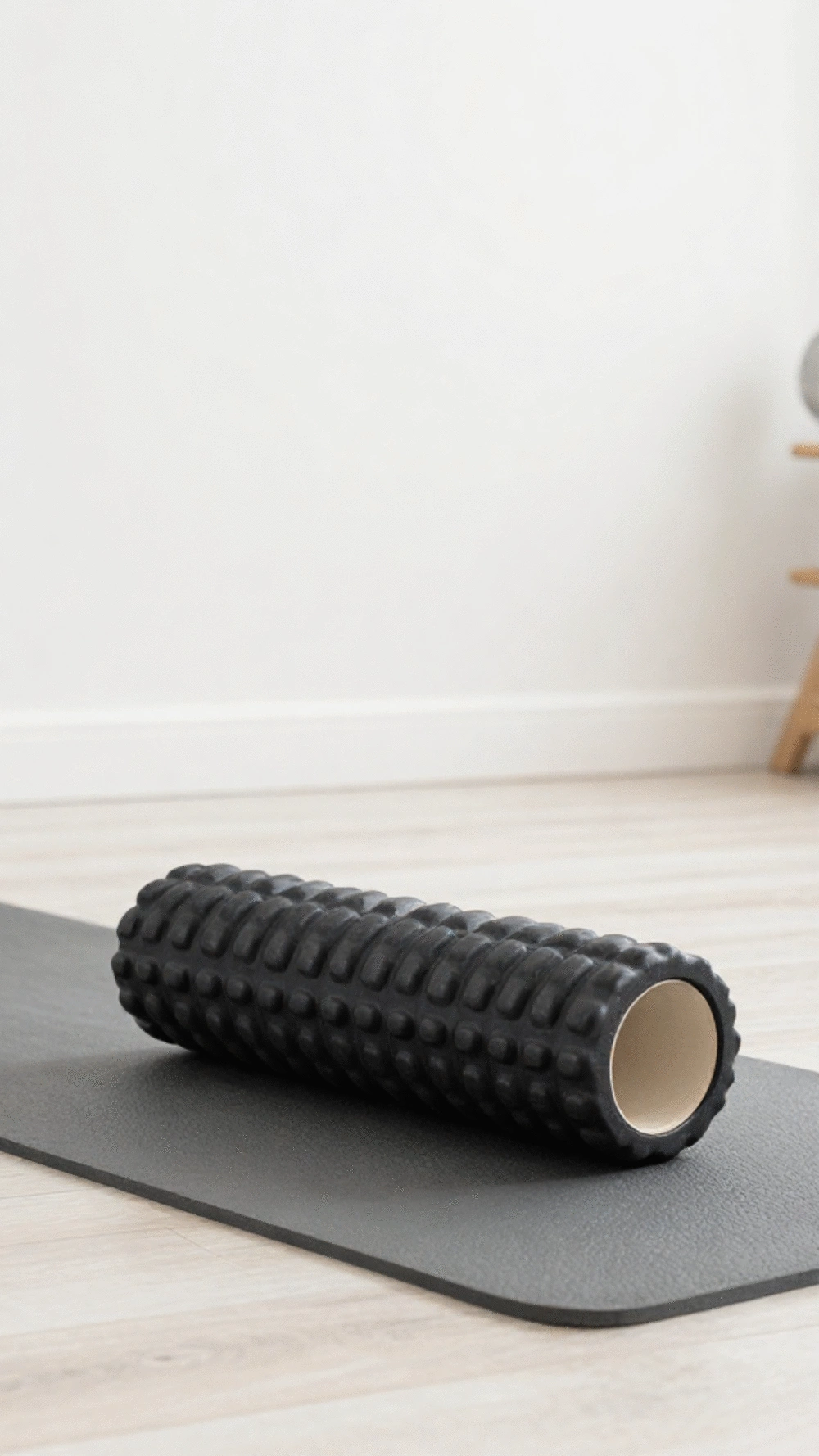
- Use a foam roller for muscle tension relief before workouts.
- Practice on a non-slip exercise mat for comfort and stability.
⭐ Top Products for Warm-Up Exercises
Foam Roller Set for Deep Tissue Massage
This foam roller set is essential for easing muscle tension before workouts.
View on Amazon →Large Non-Slip Exercise Mat for Workouts
Provides a comfortable surface for warm-up routines, ensuring stability during exercises.
View on Amazon →5 in 1 Foam Roller Set for Muscle Recovery
Great for releasing muscle tension after workouts, ensuring effective recovery.
View on Amazon →🚀 Quick Tips:
- Start with 5 minutes: Engage in light jogging or brisk walking to elevate your heart rate.
- Incorporate dynamic stretches: Include movements like arm circles and leg swings to loosen up.
- Utilize a foam roller: Use it to release tension in your muscles before starting your workout.
Beginner Bodyweight Exercises
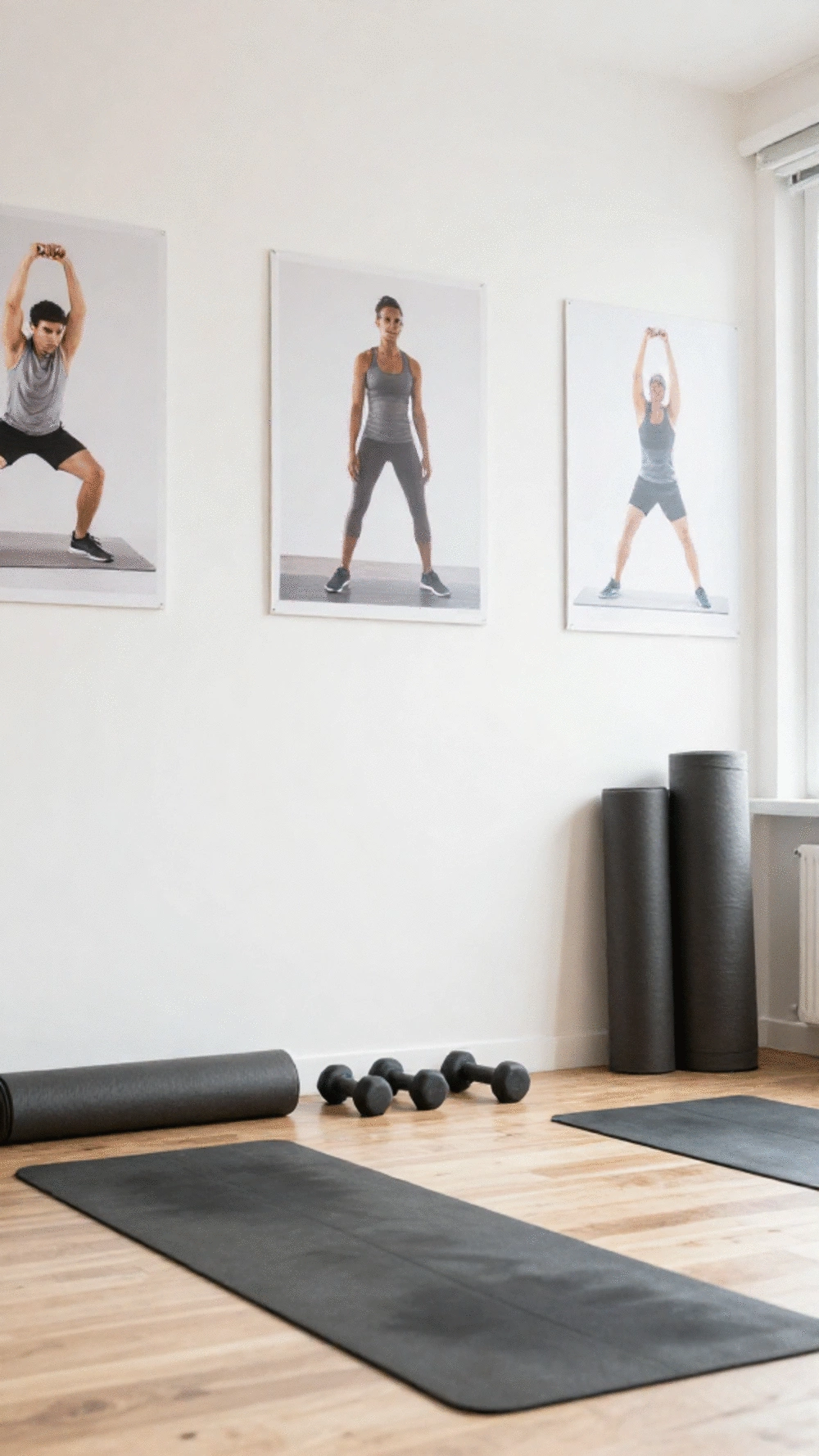
Start your fitness journey with these effective bodyweight exercises!
The Power of Bodyweight Exercises: Bodyweight exercises are a fantastic starting point for beginners, promoting foundational strength without the need for equipment. Moves like squats, push-ups, and lunges not only build muscle but also enhance stability and coordination, making them perfect for those just embarking on their fitness journey.
What People Often Overlook: Many beginners underestimate the importance of starting slowly. For instance, diving straight into multiple sets of push-ups can lead to poor form and potential injury. Instead, aim for a few repetitions with good technique before gradually increasing intensity.
- Focus on mastering form before increasing repetitions to prevent injuries.
- Incorporate bodyweight workout posters for visual guides on proper form, like these Bodyweight Exercises and Dumbbell Workout Posters.
- Start with sets of 5-10 reps of each exercise, adjusting as you build strength.
⭐ Top Products for Bodyweight Exercises
Dip Belt for Bodyweight Exercises
Enhance pull-ups and dips by adding extra weight with this durable dip belt.
View on Amazon →Bodyweight Exercises and Dumbbell Workout Posters
Perfect for visual learners, these posters guide you through essential bodyweight exercises.
View on Amazon →Bodyweight and Barbell Workout Posters Set
These posters offer a variety of bodyweight workouts, making exercise easy to follow.
View on Amazon →🚀 Your Quick Start Guide:
- Start Slowly: Focus on mastering one exercise at a time before increasing repetitions.
- Master the Form: Prioritize proper technique to prevent injuries as you progress.
- Use Visual Aids: Reference workout posters to ensure you're executing each movement correctly.
Simple Cardio Options
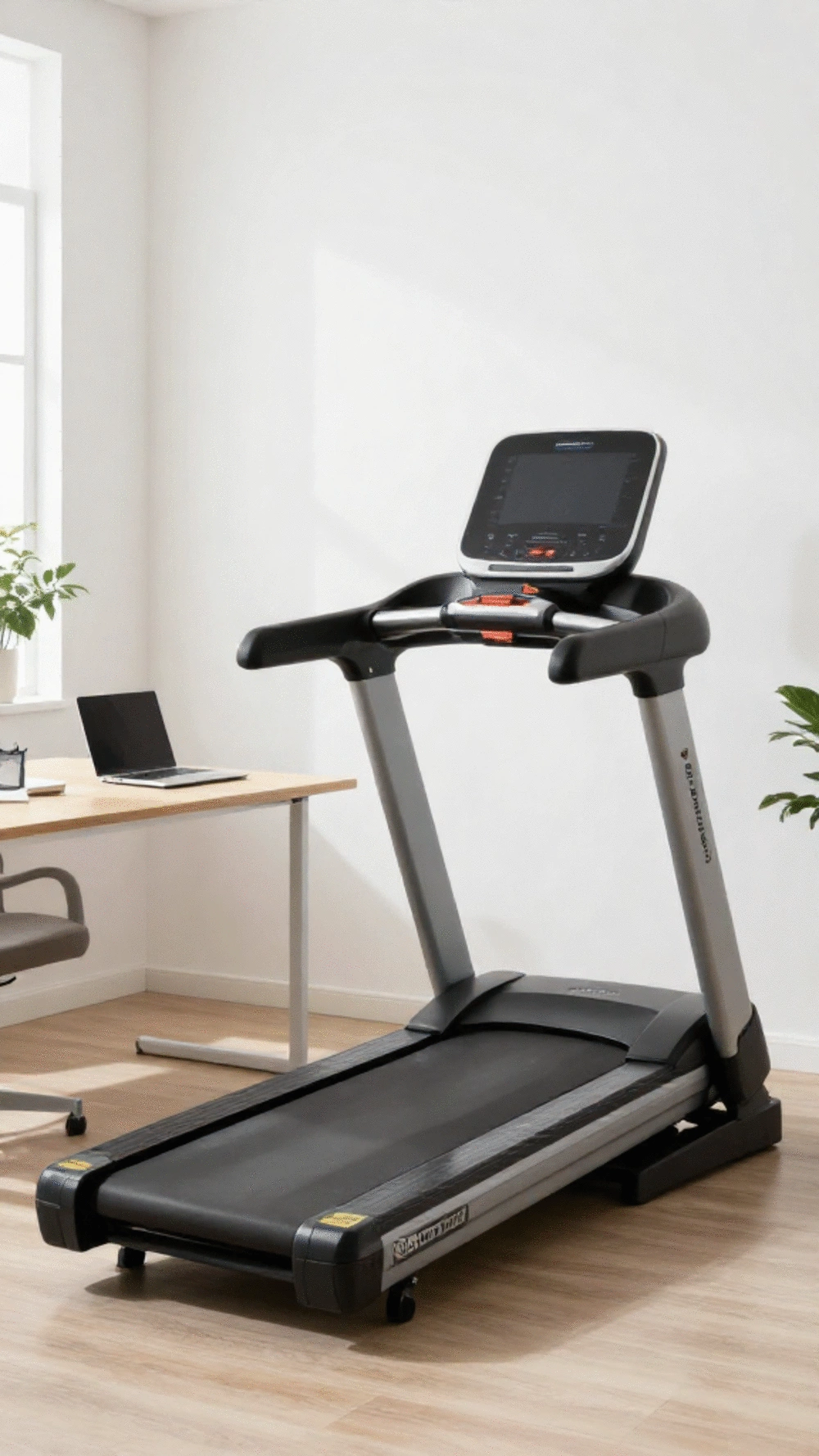
Energize your fitness journey with effective and simple cardio options.
How Simple Cardio Options Enhance Your Fitness: Cardio workouts play a vital role in improving heart health and boosting your overall fitness level. For beginners, low-impact options like walking, cycling, or even dancing offer a manageable way to increase heart rate without overwhelming the body. Integrating simple cardio routines can pave the way for more intense workouts down the line.
Where Most People Get Stuck: Many beginners underestimate the importance of variety in their cardio routines. Relying solely on one type, like walking, can lead to burnout or stagnation. For example, mixing in cycling sessions or dance workouts not only keeps things fresh but also challenges different muscle groups, making workouts more effective.
- Start with 20-30 minutes of brisk walking or cycling to build endurance.
- Try a fun dance workout video at home for a joyful cardio experience.
- Use a portable treadmill under your desk for seamless cardio without sacrificing work time.
⭐ Top Products for Cardio Options
Mini Stepper Machine for Cardio Workouts
This compact stepper is perfect for effective cardio workouts, even in limited spaces.
View on Amazon →Quiet Indoor Exercise Bike for Cardio
Enjoy a smooth cycling experience at home with this quiet exercise bike.
View on Amazon →Portable Under Desk Treadmill for Walking
This under desk treadmill is great for fitting in cardio while you work.
View on Amazon →🚀 Quick Tips:
- Mix It Up: Alternate between walking, cycling, and dance workouts to keep things fun!
- Stay Consistent: Aim for at least 150 minutes of moderate cardio each week.
- Listen to Your Body: Gradually increase the intensity to avoid burnout and enjoy your workouts.
Strength Training Basics
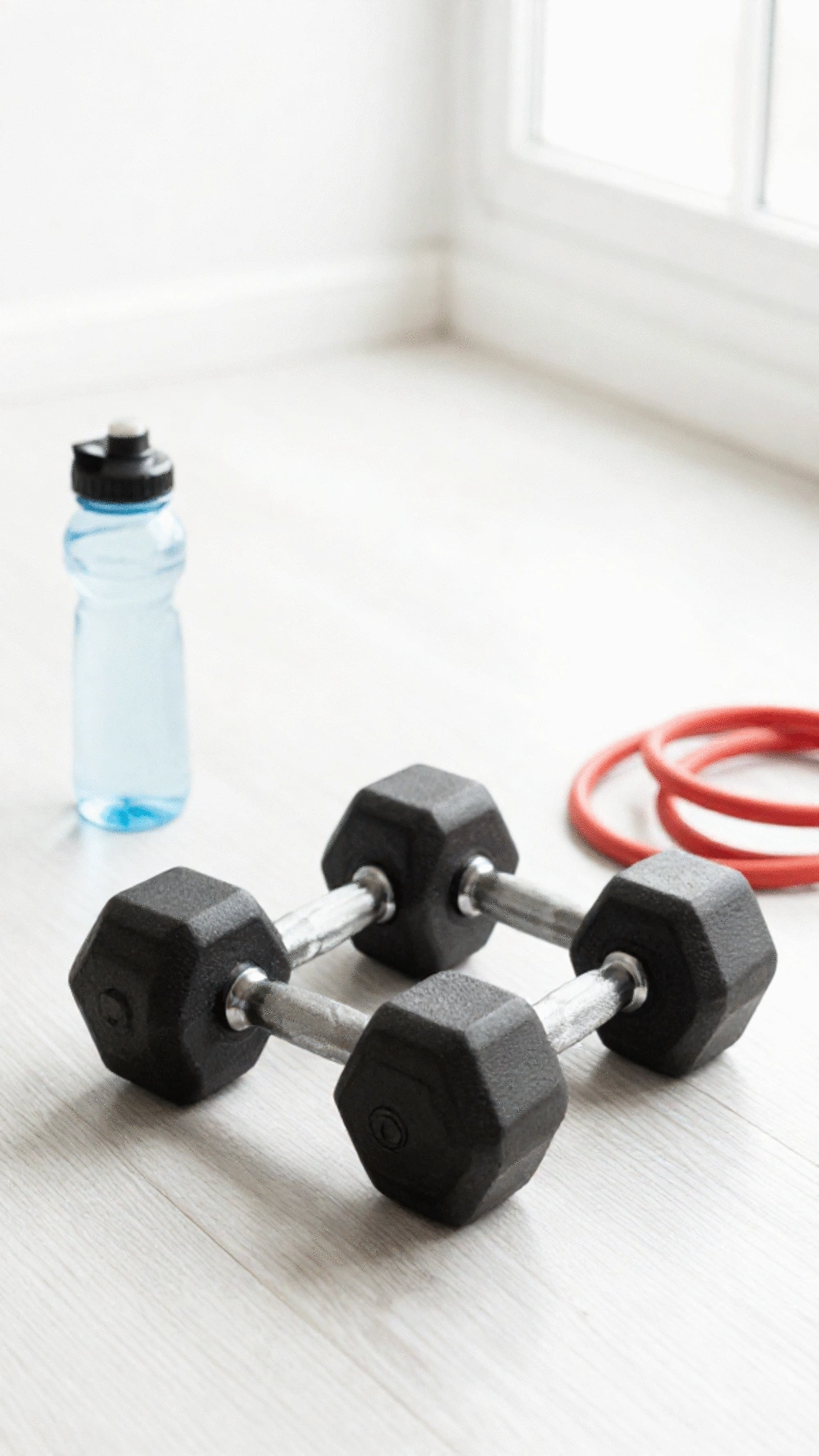
Build strength effectively with these essential exercises for beginners.
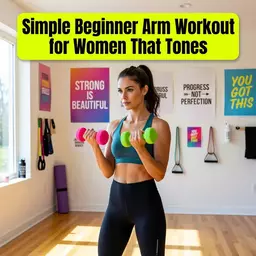
Understanding Strength Training Basics: Strength training is key for women to enhance muscle tone and boost metabolism. Incorporating dumbbell workouts and resistance band routines allows beginners to build strength safely and effectively, laying the groundwork for a fitter lifestyle.
Where Most People Get Stuck: Many beginners underestimate the significance of starting with lighter weights. This is crucial for perfecting form and preventing injuries. For instance, using adjustable dumbbells can help you gradually increase weight as you become more comfortable with each exercise.
- Start with 1-2 sets of 8-12 reps for each exercise.
- Focus on basic movements like squats, lunges, and arm curls.
- Consider using resistance bands for added variety and to enhance workouts.
⭐ Top Products for Strength Training
Adjustable Dumbbell Set for Home Workouts
This versatile dumbbell set allows for a full-body workout, perfect for beginners at home.
View on Amazon →Durable Resistance Bands for Strength Training
These resistance bands are ideal for building strength without heavy weights, great for beginners.
View on Amazon →Adjustable Dumbbells for Strength Training
These adjustable dumbbells offer a range of weights for customized strength training, perfect for any home gym.
View on Amazon →💡 Quick Tips:
- Start light: Use lighter weights to master your form before increasing intensity.
- Stay consistent: Aim for 2-3 strength sessions per week to build momentum.
- Incorporate variety: Mix dumbbell and resistance band exercises to keep workouts engaging.
You're doing great by exploring these foundational steps for your fitness journey. Taking action, even in small ways, shifts everything towards a healthier you. Remember, consistency in these efforts will build sustainable habits over time.
💡 Worth Remembering:
- Focus on proper form to prevent injuries and maximize results.
- Celebrate small victories; they contribute to building fitness habits.
- Listen to your body and rest when needed to avoid burnout.
- Your journey is unique, find what works for your pace.
Flexibility and Mobility Workouts
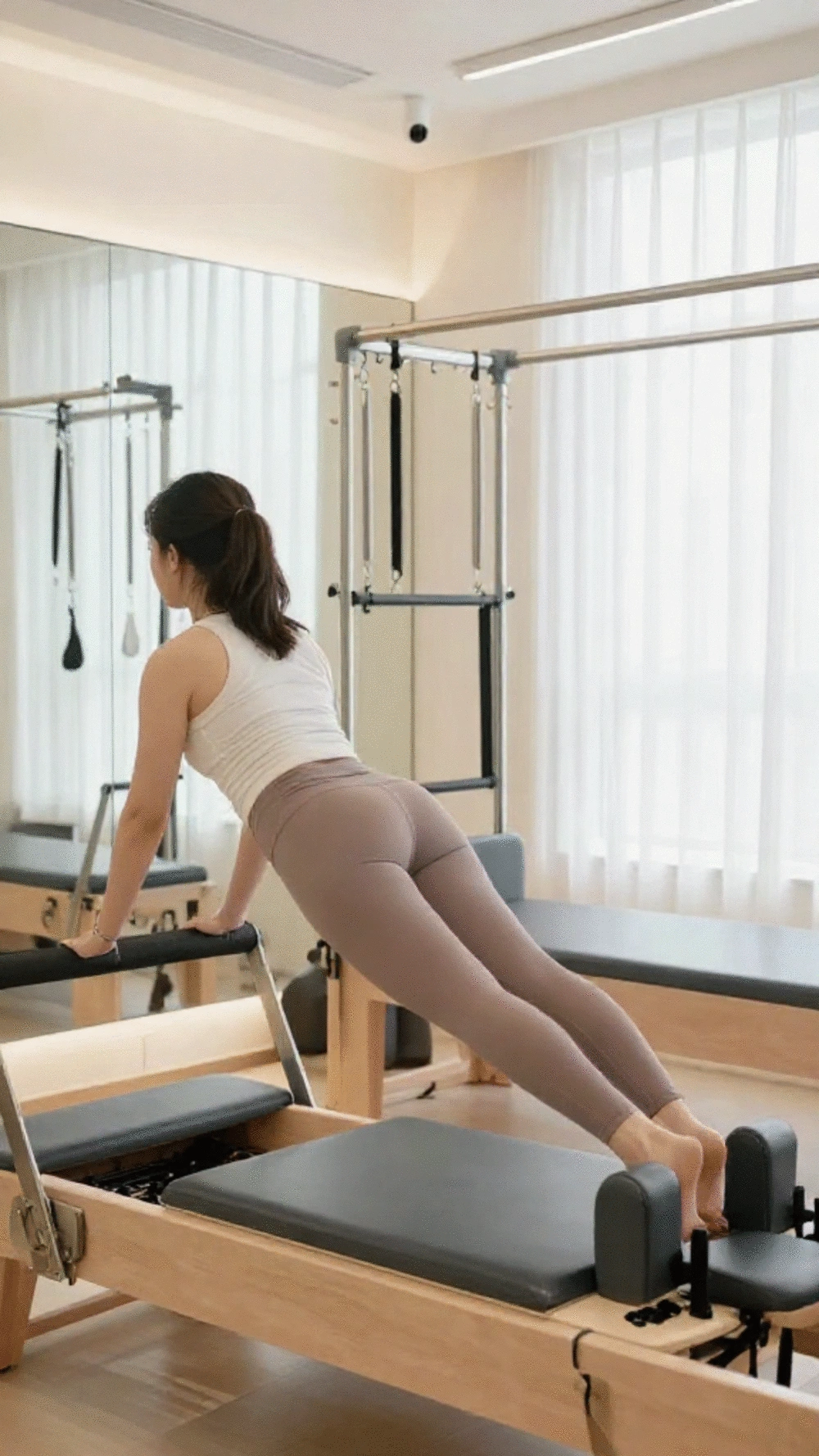
Enhance your flexibility and mobility for a balanced workout routine.
Why Flexibility and Mobility Workouts Matter: Regular flexibility and mobility workouts are vital for enhancing your range of motion and preventing injuries. Simple practices like yoga or stretching help to alleviate muscle tightness, making your overall fitness routine more effective and enjoyable.
An Easy Detail to Overlook: Many beginners underestimate the impact of daily stretching. For instance, spending just five minutes each morning on gentle stretches can significantly improve your flexibility over time. However, busy schedules often lead people to skip this crucial step, thinking it’s less important than strength training or cardio. This mindset can hinder progress, as flexibility is essential for overall fitness.
- Incorporate yoga sessions twice a week to improve flexibility.
- Use a foam roller regularly to relieve muscle tension after workouts. Check out this foam roller set!
- Practice dynamic stretches before workouts to enhance your mobility.
⭐ Top Products for Flexibility Workouts
Studio Grade Pilates Reformer Machine
This reformer offers a variety of exercises for flexibility improvement and strength training.
View on Amazon →Multi-Purpose Pilates Reformer Board
This reformer is perfect for improving flexibility and full-body conditioning efficiently.
View on Amazon →7-in-1 Multifunctional Pilates Reformer
This multifunctional reformer combines several exercises to enhance flexibility and strength.
View on Amazon →💡 Your Quick Start Guide:
- Incorporate daily stretches: Just five minutes can greatly improve flexibility over time.
- Attend a weekly yoga class: This helps deepen your stretch routine while offering relaxation.
- Use a foam roller regularly: It’s perfect for muscle recovery and reducing soreness after workouts.
Creating a Balanced Weekly Schedule
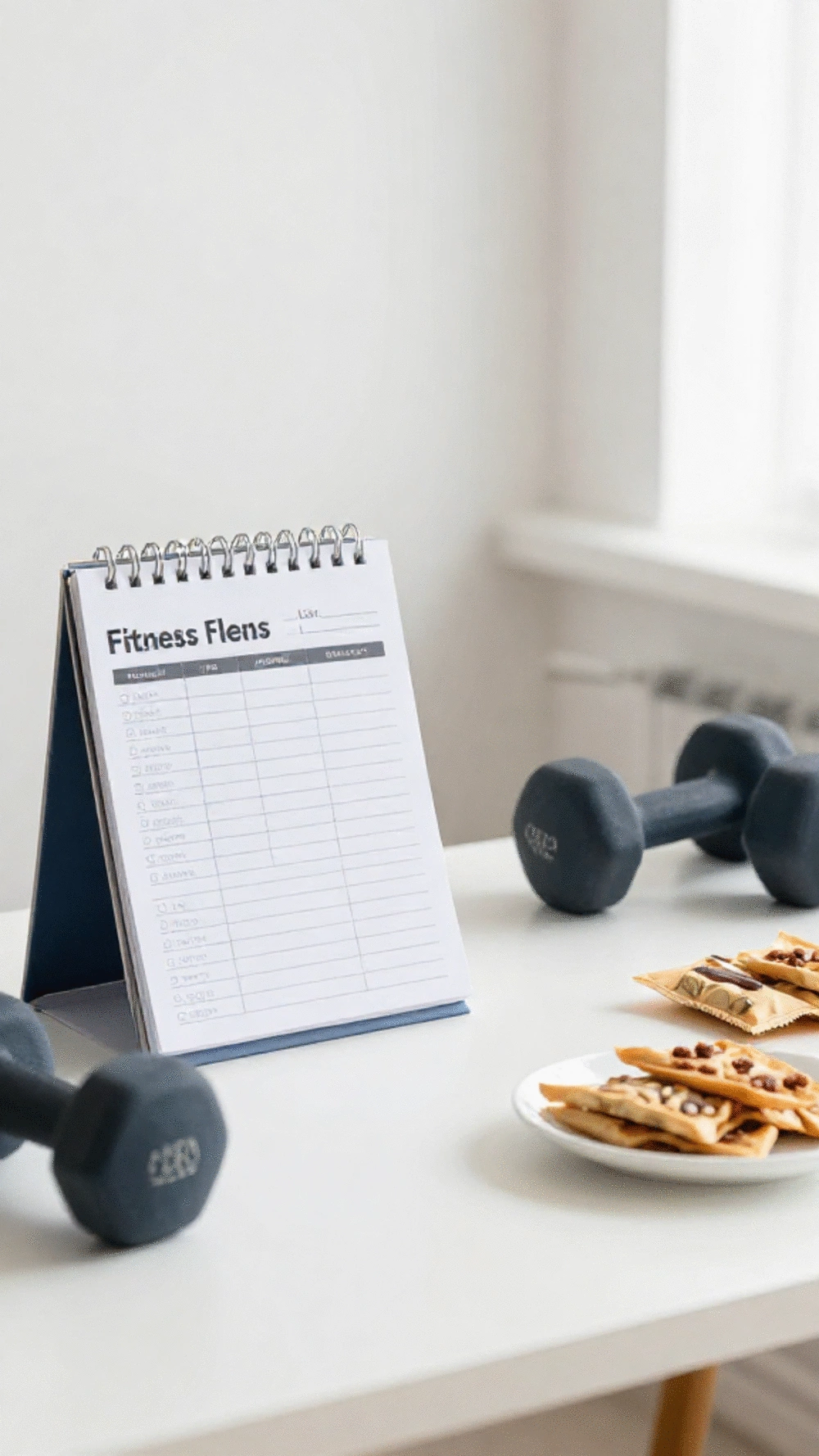
Stay organized and motivated with a structured weekly workout plan.
Why a Balanced Weekly Schedule Matters: Having a structured workout schedule is essential to keeping your motivation high and your fitness goals on track. A well-rounded plan should balance strength, cardio, and flexibility workouts while scheduling rest days to avoid burnout. For example, consider a weekly plan that includes 3 days of strength training, 2 days of cardio, and flexibility sessions sprinkled in.
What People Rarely Consider: Many beginners overlook the importance of scheduling rest days, thinking they need to work out daily to see results. In reality, rest days are crucial for recovery and muscle growth. For instance, if you’re feeling fatigued on a workout day, listen to your body and take a day off instead; this will help you avoid injuries and keep your progress steady.
Schedule Your Workouts: - Set aside specific days and times for each workout type. - Include variety in your routine to keep things interesting. - Use a fitness and food journal planner to track your progress.
- Don’t forget to allow flexibility in your schedule; life can be unpredictable! - Adjust the intensity of workouts based on how you feel throughout the week. - Plan for at least one rest day to recharge your body and mind.
⭐ Top Products for Weekly Scheduling
Workout Planner Journal for Tracking Progress
This journal is perfect for tracking workouts and staying organized on your fitness journey.
View on Amazon →Resistance Bands Guide for Seniors
This guide is great for seniors to safely incorporate resistance bands into their routine.
View on Amazon →Fitness and Food Journal Planner
This planner is perfect for tracking workouts and meal planning for better fitness results.
View on Amazon →🚀 Quick Tips:
- Plan Ahead: Schedule workouts on your calendar to stay accountable.
- Mix It Up: Include a variety of exercises to keep your routine exciting.
- Listen to Your Body: Adjust your intensity based on how you feel each day.
Goal Setting and Motivation Strategies
Create a clear path to your fitness journey with effective goal setting.
Why Goal Setting and Motivation Matter: Setting clear, achievable fitness goals is key to maintaining motivation throughout your journey. By defining short-term and long-term objectives, you create a roadmap that guides your workout efforts, helping you stay focused and committed to your fitness routine.
A Subtle Issue That Adds Up: Many beginners overlook the importance of accountability when setting goals. For instance, sharing your fitness objectives with friends or joining group classes can foster a supportive environment. This social interaction not only keeps you motivated but also encourages healthy competition that can propel you toward achieving your goals faster.
- Define your fitness goals using the SMART criteria for clarity.
- Track your progress with a Weekly Goals Notebook and Habit Tracker.
- Celebrate small milestones to maintain enthusiasm and motivation.
⭐ Top Products for Goal Setting
Weekly Goals Notebook and Habit Tracker
Use this notebook to track your goals and habits effectively for lasting motivation.
View on Amazon →Daily Habit Tracker and Goal Board
This goal board helps track your daily habits and motivates you to stay on course.
View on Amazon →Weekly To Do List Notepad for Organization
Use this notepad to organize tasks effectively and improve your productivity throughout the week.
View on Amazon →🚀 Quick Tips:
- Set Specific Goals: Define clear targets, like "exercise three times a week."
- Track Your Progress: Use a journal to monitor achievements and stay accountable.
- Celebrate Milestones: Reward yourself for reaching goals, no matter how small, to stay motivated.
You now have a range of practical strategies to kickstart your fitness journey. Remember, you don't need to tackle everything at once; select one or two approaches that resonate with you.
With each small step you take, *you’ll cultivate a stronger and healthier you*. Embrace the journey with patience and confidence, and celebrate the progress you make along the way.