Minimal Beginner Core Workout That Builds Ab Strength Daily
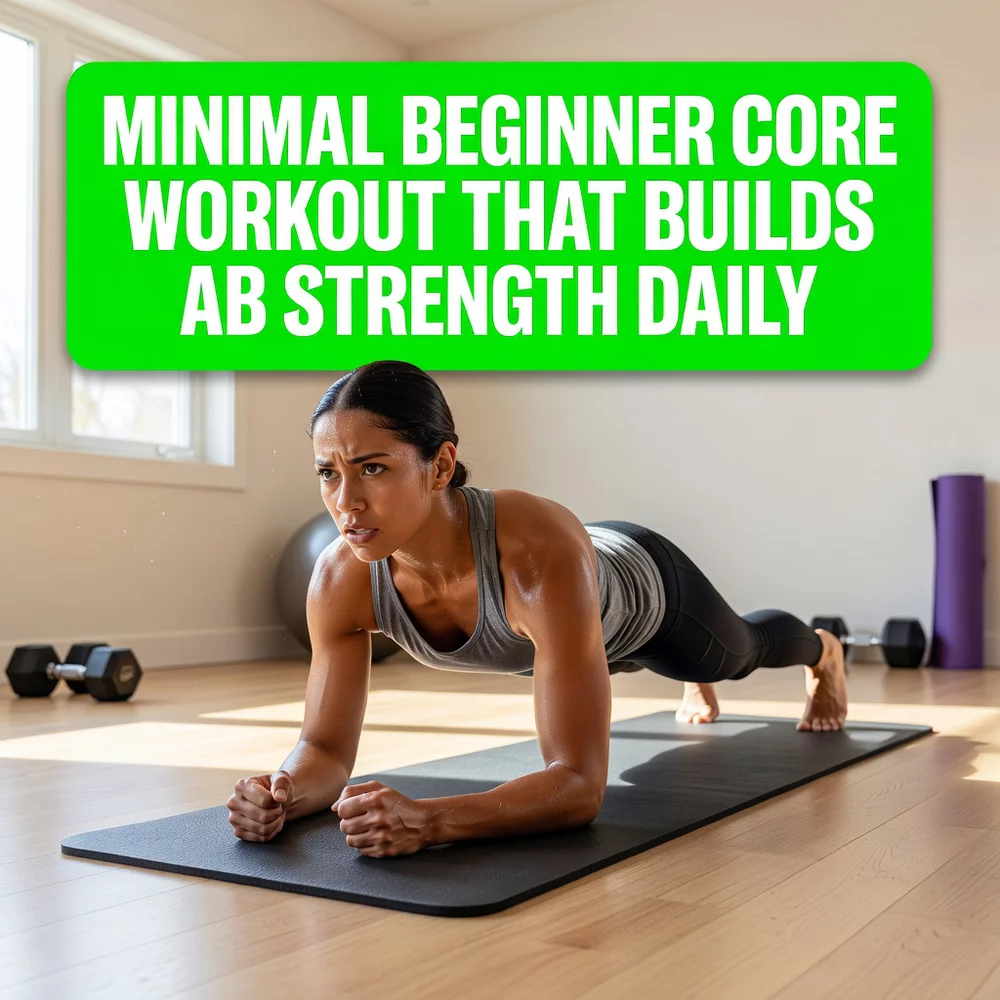
Strengthening your core is essential for overall fitness, and the best part is you can achieve this comfortably at home. With just your body weight, you can engage in effective exercises that build stability and strength daily. Let’s kick off with a foundational move that sets the stage for your core journey.
Beginner Plank Hold That Builds Core Stability from the Ground Up
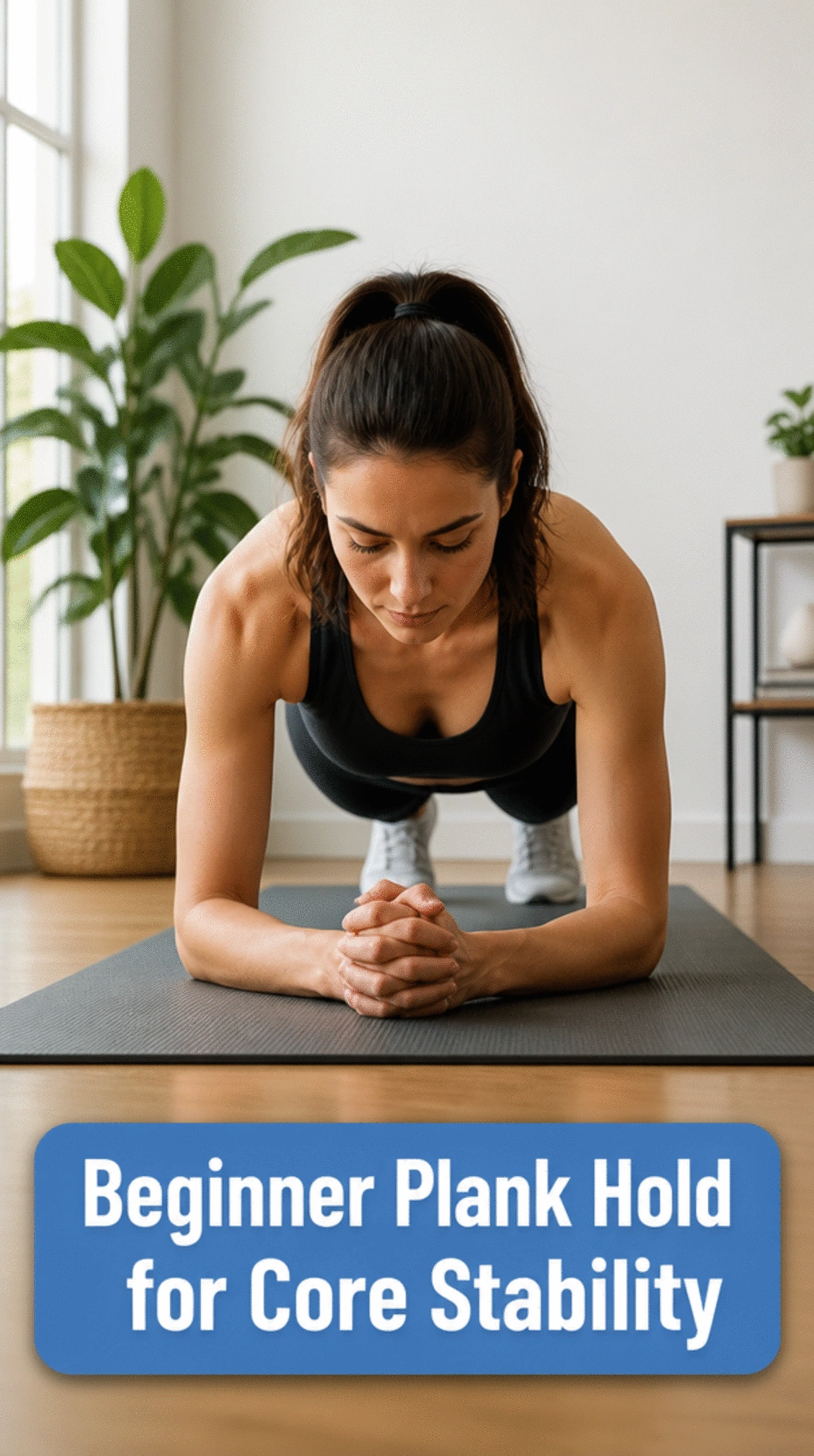
Build a strong core foundation with effective, equipment-free planks.
As an Amazon Associate I earn from qualifying purchases. Affiliate links may earn me a commission at no extra cost to you.
Why the Beginner Plank Hold Matters: Mastering the plank is essential for developing core stability and proper posture. This foundational exercise engages multiple muscle groups, enhancing balance and strength. Aim to hold the plank for 20-30 seconds, gradually increasing your duration as you build strength.
What People Rarely Consider is how critical proper form is when holding a plank. Many beginners let their hips sag or raise them too high, which can lead to back strain. Focus on keeping your body in a straight line from head to heels to avoid injury and maximize effectiveness.
- ★Keep a straight line from head to heels throughout the plank.
- ★Start with 20 seconds and gradually aim for 1 minute as you progress.
- ★Avoid letting your hips sag to prevent back strain.
💡 Quick Tips:
- Find a quiet space: This helps you focus on maintaining your form during the plank.
- Engage your core: Squeeze your abdominal muscles to support your lower back throughout the hold.
- Breathe steadily: Inhale through your nose and exhale through your mouth to maintain a steady rhythm.
Beginner Dead Bug Exercise That Trains Deep Core Without Neck Strain
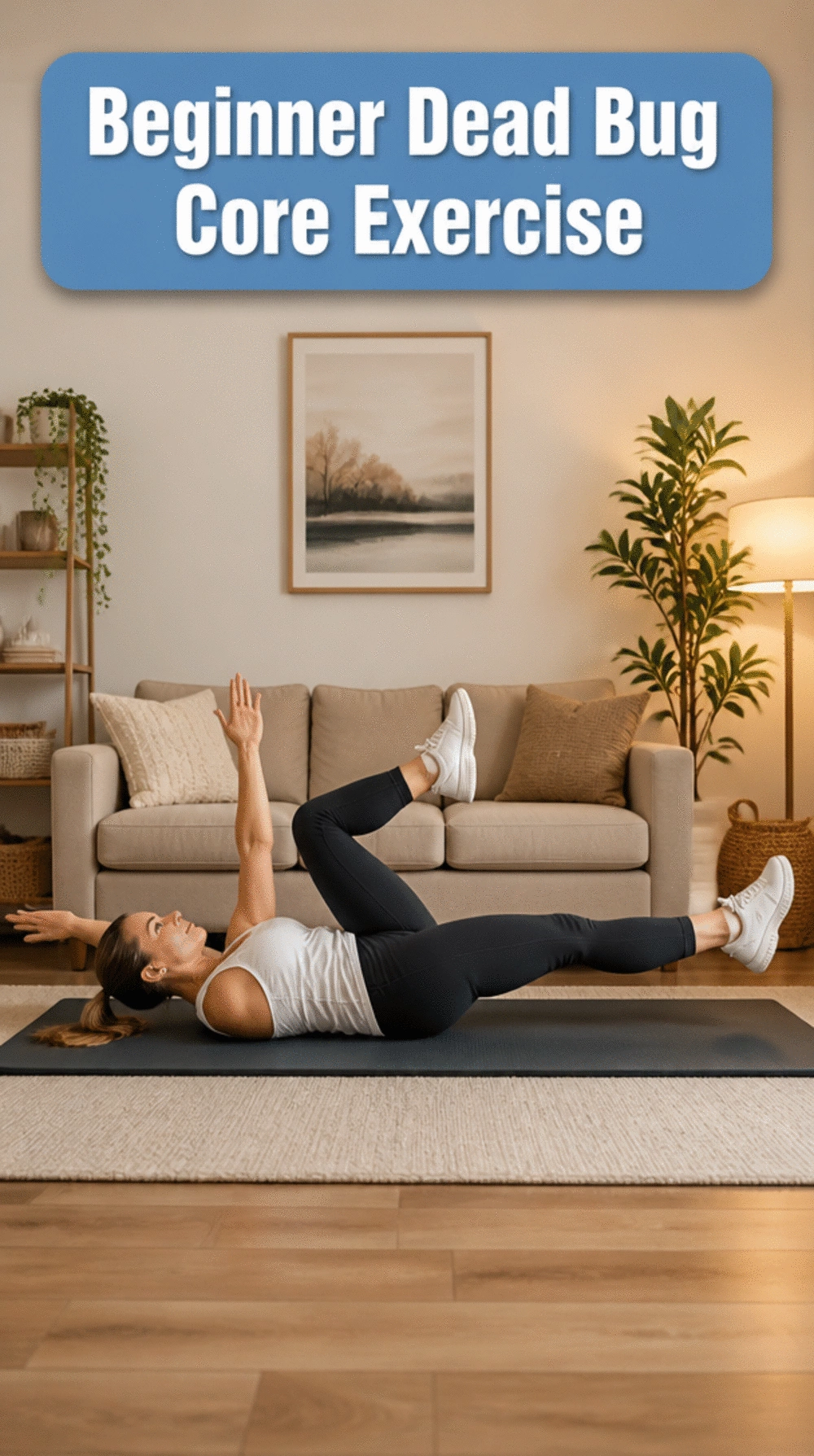
Engage your core deeply while protecting your neck.
Why the Dead Bug Exercise Matters: The dead bug is a fantastic way to engage your core without straining your neck. By lying on your back and moving opposite limbs, this exercise promotes deep core activation while stabilizing the spine, making it perfect for beginners who are just starting their fitness journey.
What Often Gets Overlooked: Many beginners focus solely on reps and speed, forgetting that maintaining a neutral spine is essential for maximizing effectiveness. For instance, when extending your arms and legs, keep your lower back pressed against the mat. This detail not only enhances the exercise but also minimizes the risk of injury.
- ★Focus on breathing out as you extend your limbs for better core engagement.
- ★Modify the movement by keeping your feet on the ground if you're struggling to lift your legs.
- ★Pay attention to your neck position; avoid lifting your head to prevent strain.
🚀 Quick Tips:
- Engage Your Core: Keep your lower back pressed firmly against the mat throughout the exercise.
- Breathe Deeply: Exhale as you extend your limbs to enhance core activation.
- Start Slowly: Focus on controlled movements, gradually increasing speed as you gain confidence.
Beginner Glute Bridge That Strengthens Core and Lower Back Together
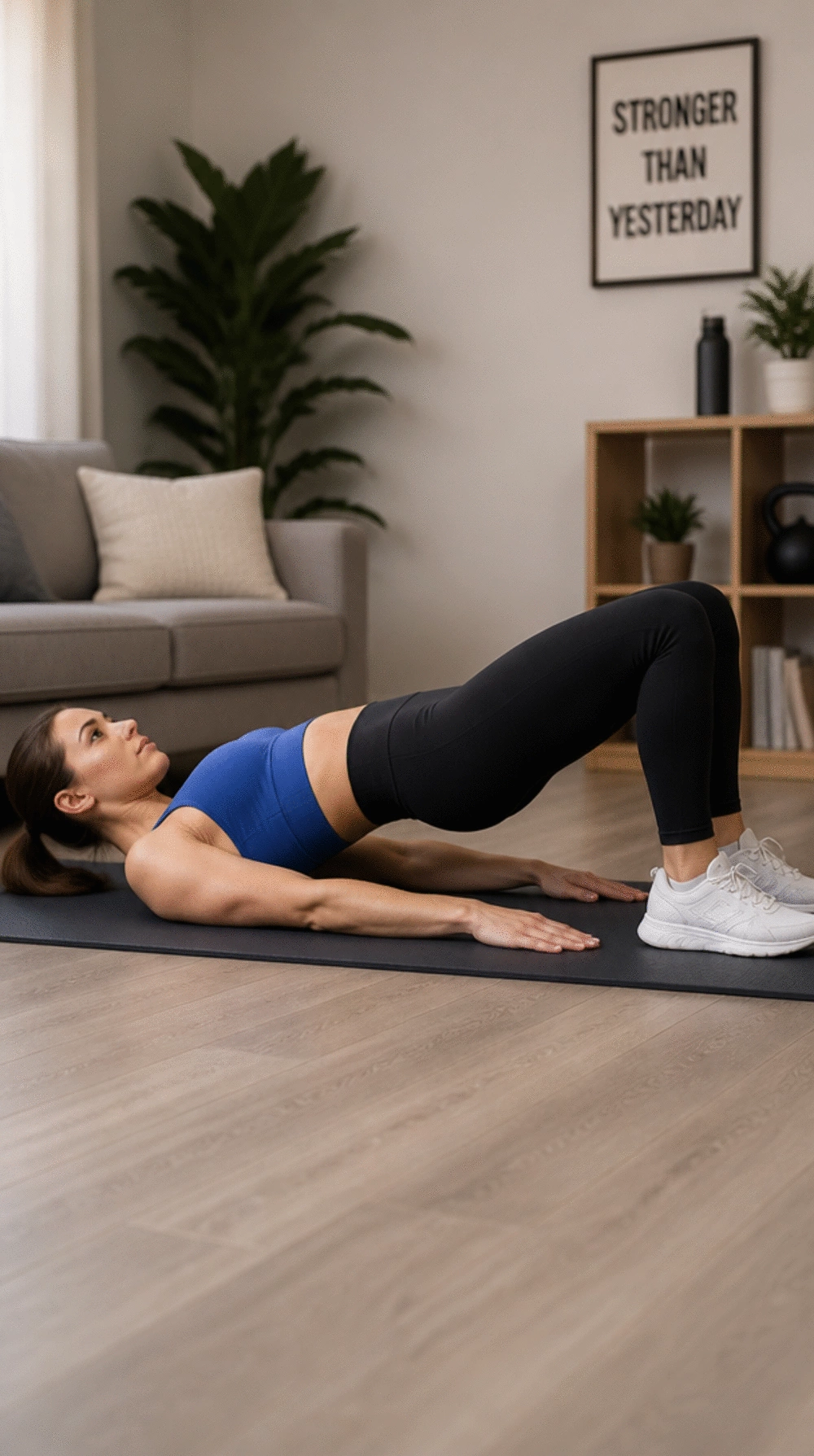
Strengthen your core and lower back with this effective glute bridge.
Why the Glute Bridge Matters: The glute bridge is a fantastic exercise that targets both your glutes and lower back, making it essential for improving overall core stability. By engaging these muscle groups, you'll enhance your posture while also reducing the risk of injury during more challenging workouts.
One detail that often gets overlooked is how crucial it is to engage your core throughout the movement. Many beginners focus solely on lifting their hips without stabilizing their midsection, which can lead to lower back strain. For instance, think about squeezing your abdominal muscles like you would when bracing for a gentle poke — this simple adjustment can make a big difference.
- ★Ensure your feet are hip-width apart and pressed firmly into the ground.
- ★Consider using a hip thrust pad for added comfort during the exercise.
- ★Focus on lifting your pelvis with a slow, controlled motion to maximize results.
⭐ Top Products for Glute Bridge Exercises
Hip Thrust Pad for Comfortable Workouts
This hip thrust pad provides essential comfort for glute bridges, ensuring effective workouts without discomfort.
View on Amazon →Squat Pad for Comfortable Leg Workouts
This squat pad offers versatile comfort for leg workouts, complementing glute bridges effectively.
View on Amazon →Barbell Pad for Hip Thrusts and Squats
This barbell pad enhances comfort during weighted glute bridges for serious strength training.
View on Amazon →🚀 Quick Tips:
- Engage Your Core: Squeeze your abdomen throughout the lift to protect your lower back.
- Foot Placement: Position your feet hip-width apart for better stability during the bridge.
- Focus on the Lift: Perform the movement slowly to maximize glute activation and avoid strain.
Core Beginner Bicycle Crunch That Works Abs and Obliques at Once
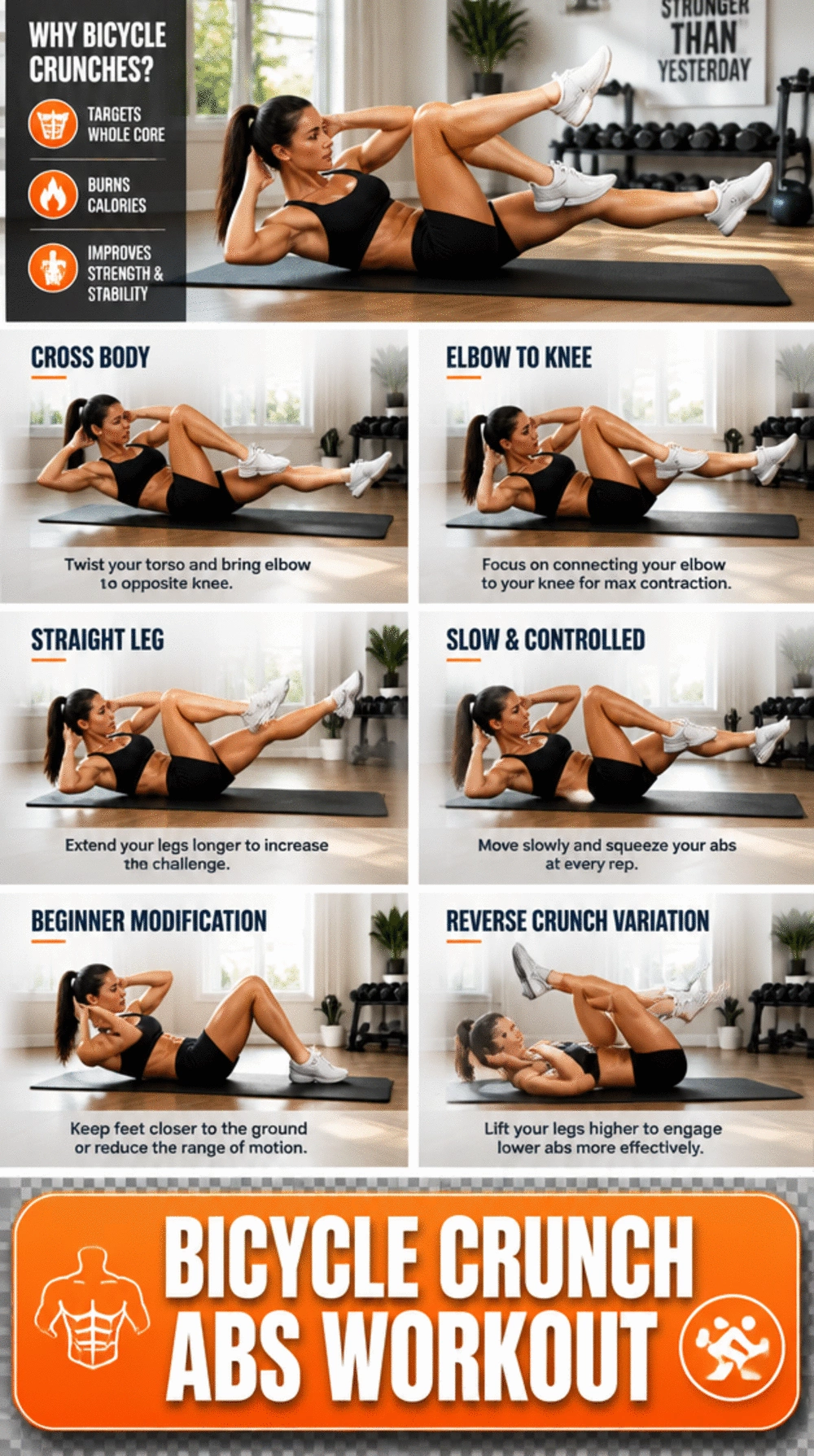
Engage your core effectively with bicycle crunches for toned abs.
Understanding the Bicycle Crunch Exercise: Bicycle crunches are a fantastic way to target both your abs and obliques simultaneously. This dynamic movement enhances core definition by engaging multiple muscle groups, leading to improved stability and strength. To maximize benefits, focus on maintaining proper form to avoid strain on the neck and back.
Where most people get stuck is in controlling their movement. Beginners often rush through the exercise, which can lead to ineffective engagement of the abdominal muscles. Taking the time to slow down and feel each contraction will yield better results and reduce the risk of injury.
- ★Keep your elbows wide and avoid pulling on your neck during crunches.
- ★Focus on a slow, controlled pace to maximize muscle engagement.
- ★Consider using a mat for added comfort during floor exercises.
⭐ Recommended for Ab and Oblique Workouts
Portable Pilates Board for Home Workouts
This portable board enhances your core workouts with adjustable resistance for added challenge.
View on Amazon →Ab Roller Wheel for Core Strength
This ab roller targets your core effectively, enhancing stability and strength during workouts.
View on Amazon →Ab Roller Wheel Kit for Full Body Workout
This roller kit provides accessories for a comprehensive workout, targeting multiple muscle groups.
View on Amazon →🚀 Quick Tips:
- Focus on form: Keep your elbows wide to protect your neck during crunches.
- Slow it down: Aim for a controlled rhythm to maximize your core engagement.
- Use a mat: A comfortable surface helps reduce strain and enhance your workout experience.
You're making great strides in understanding how to strengthen your core effectively. Taking action, even in small ways, truly shifts everything when it comes to building new habits. This journey is about embracing a sustainable approach, focusing on gradual improvement rather than instant perfection.
✨ Worth Remembering:
- Consistency is more powerful than intense, sporadic workouts.
- Focus on quality of movement over quantity for better results and to unlock fitness success.
- Celebrate each small step; every effort builds towards a stronger you.
- Consider how tracking workouts can boost motivation.
Beginner Ab Roller That Adds Core Resistance When Bodyweight Feels Easy
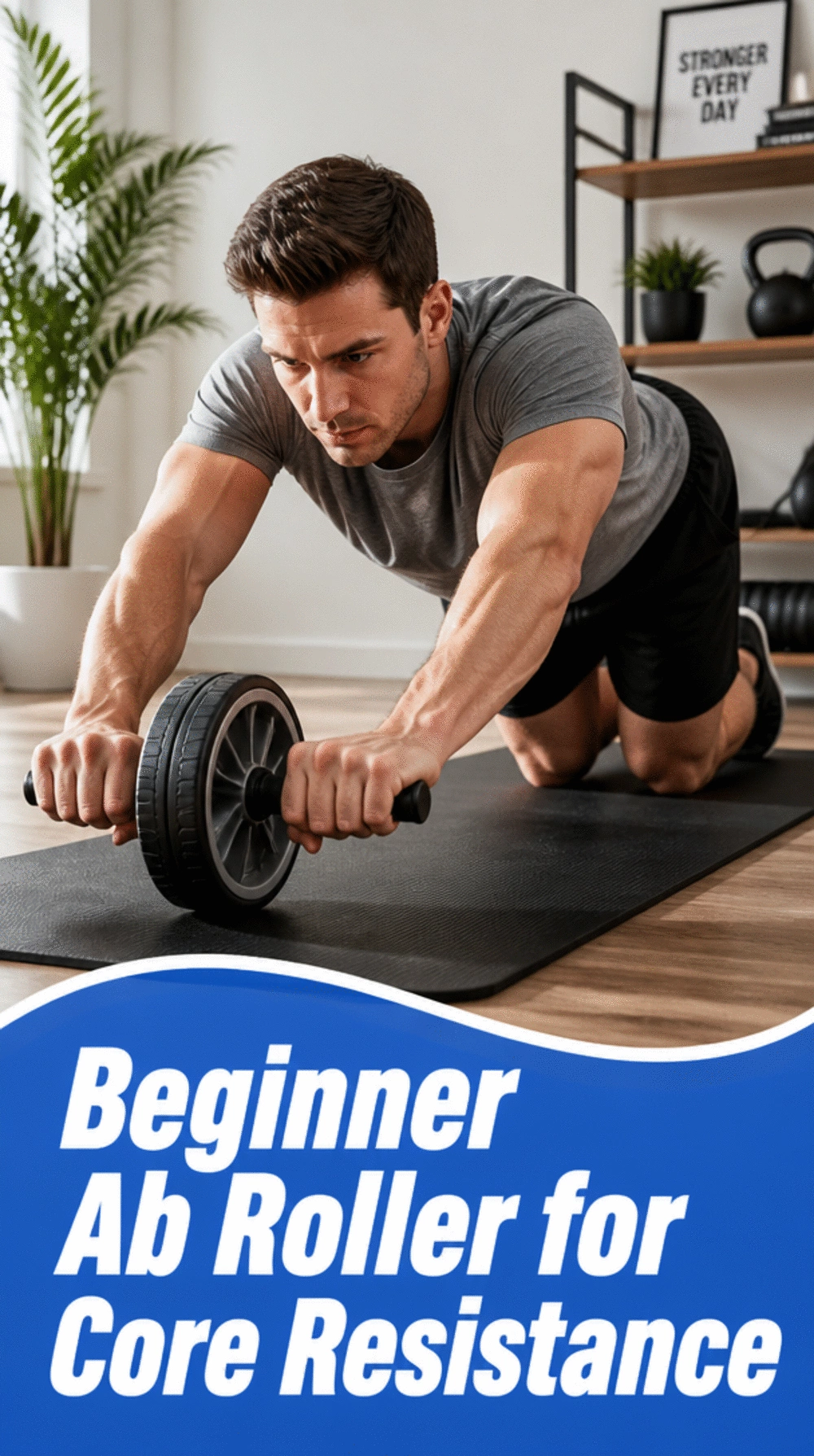
Elevate your workouts with the ab roller for enhanced core strength.
Why the Beginner Ab Roller is Essential: If bodyweight exercises feel too easy, the ab roller can add a new level of challenge. This tool increases resistance during traditional core exercises, engaging multiple muscle groups while improving coordination. Remember to maintain a strong core during the roll-out phase to maximize effectiveness.
Where Most People Get Stuck is assuming that once they master bodyweight exercises, they're ready for more advanced workouts. In reality, incorporating the ab roller can enhance your core workouts significantly. For example, many beginners overlook the importance of controlling their movements when rolling out, which can lead to strain and frustration. Engaging your core properly will make a world of difference.
- ★Start with controlled movements to master the ab roller technique.
- ★Incorporate warm-ups to prepare your core effectively before using the roller.
- ★Avoid rushing the rollout; focus on form to prevent injury.
⭐ Best Equipment for Core Resistance Training
Adjustable Ab Trainer Machine for Home
Enhance your workouts with this adjustable machine that provides customizable resistance for various ab exercises.
View on Amazon →Foldable Ab Workout Equipment for Core
This foldable equipment offers great support for effective ab workouts, enhancing comfort and performance.
View on Amazon →Ab Machine for Effective Home Workouts
Target and sculpt your core effectively with this machine, designed for impactful workouts at home.
View on Amazon →🚀 Quick Tips:
- Start Slow: Begin with small rolls to build confidence and control.
- Engage Your Core: Focus on tightening your core throughout the movement for better results.
- Warm Up Properly: Spend a few minutes warming up your core to avoid strain during use.
Exercise Mat That Cushions Every Beginner Core Floor Exercise Properly
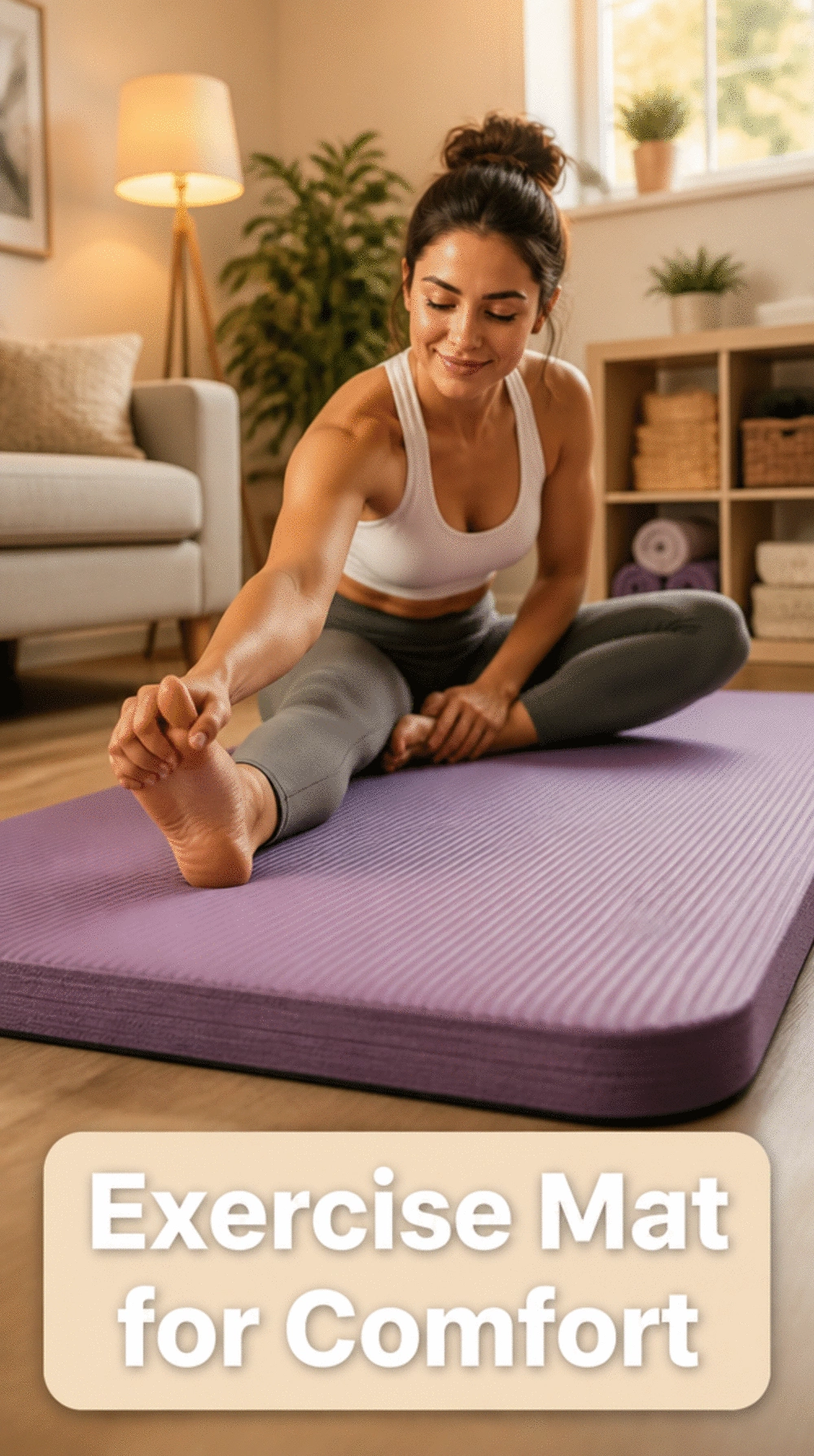
Transform your workouts with proper cushioning for maximum comfort.
Why an Exercise Mat Matters: Having a proper exercise mat makes all the difference in your workout comfort. It provides cushioning during floor exercises, helping to prevent injury by reducing strain on your joints. The right mat can enhance your overall workout experience, supporting various exercises beyond just core routines.
Where most people get stuck is in choosing the right mat. Beginners often overlook the significance of a mat’s thickness or material. A thicker mat can provide superior joint protection, while the right material can enhance grip during different exercises, like yoga or core workouts, making a noticeable difference in performance and safety.
- ★Opt for an extra thick mat for better cushioning during core exercises.
- ★Look for non-slip surfaces to enhance stability and prevent slipping.
- ★Regularly clean your mat to maintain hygiene and prolong its lifespan.
⭐ Top Products for Exercise Floor Comfort
Non Slip Yoga Mat for Fitness Routines
This mat offers excellent grip for yoga and core exercises, ensuring stability and comfort.
View on Amazon →Tri-Fold Thick Exercise Mat for Workouts
This mat ensures joint protection and comfort, perfect for diverse floor exercises.
View on Amazon →Extra Thick Exercise Mat for Home Gym
This mat offers excellent cushioning for every floor exercise, enhancing comfort and safety.
View on Amazon →📋 Quick Tips:
- Choose the Right Thickness: Opt for a mat that's at least 6mm thick for better cushioning.
- Prioritize Non-Slip Surfaces: A good grip enhances stability during exercises, keeping you safe.
- Maintain Your Mat: Regular cleaning prolongs its lifespan and keeps your workout area hygienic.
The Core Workout Chart That Tells Beginners Exactly What to Do Daily
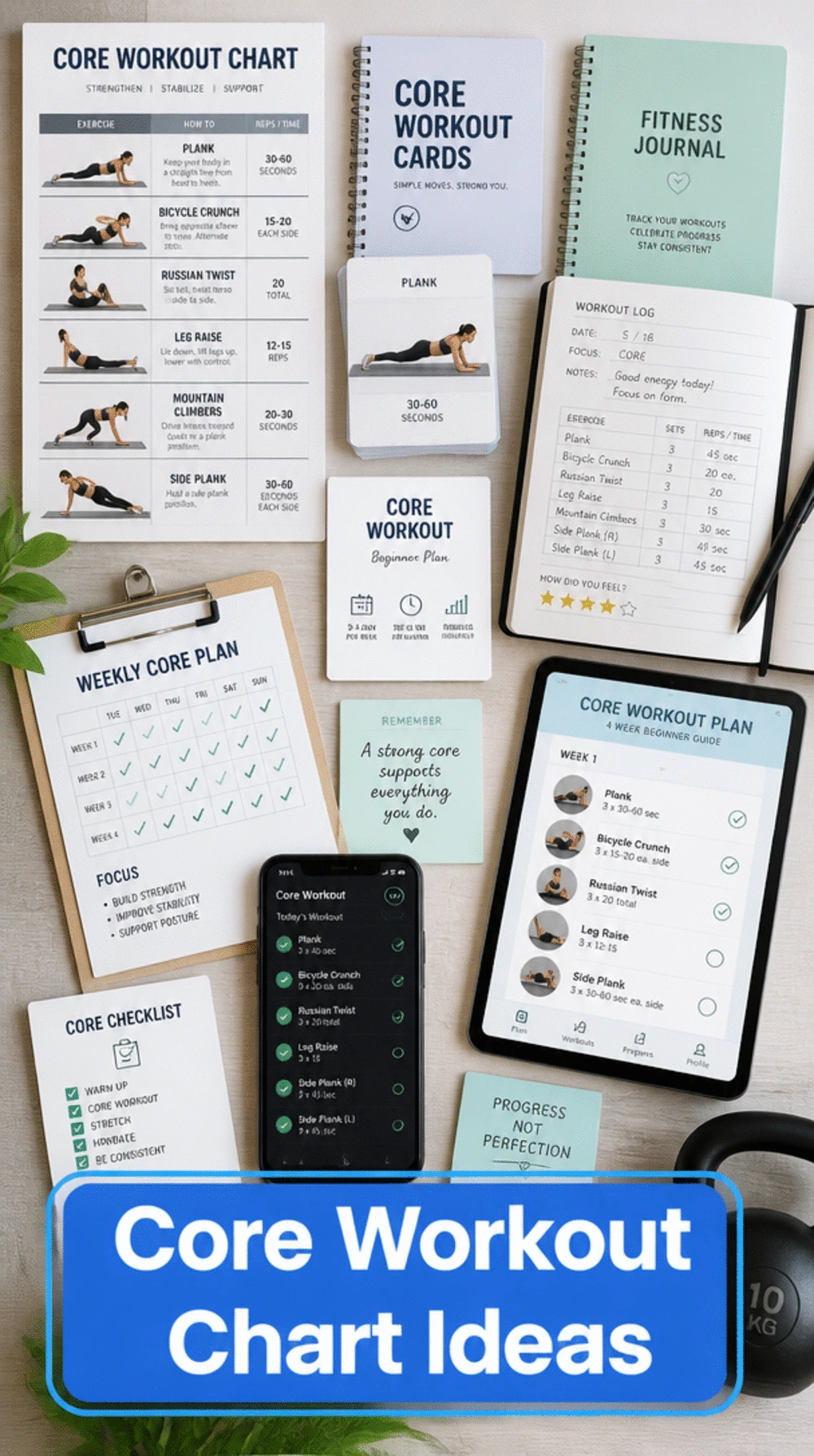
Stay organized and motivated with a daily workout chart!
Why a Core Workout Chart Matters: Having a structured workout chart can simplify your fitness journey. It helps you stay consistent and track your progress, making it easier to see improvements over time. Creating a daily routine not only enhances motivation but also builds accountability as you check off completed exercises.
Where Most People Get Stuck: Many beginners overlook the importance of tracking their workouts, thinking it’s not necessary at their level. However, having a visual guide can provide clarity and make workouts feel less daunting. For example, a simple chart outlining exercises for each day can help eliminate confusion and allow for easy adjustments as fitness levels improve.
- ★Use a daily planner to track your exercises and meals for better accountability.
- ★Review your workout chart weekly to adjust exercises based on progress.
- ★Personalize your chart with variations that match your fitness level and goals.
⭐ Our Picks for Effective Workout Planning
Pilates Bar Workout Cards for Custom Plans
These cards help you customize your Pilates routines, making daily workouts easier and more engaging.
View on Amazon →Daily Workout Planner with Meal Tracker
This planner aids in tracking workouts and meals, enhancing your overall fitness journey.
View on Amazon →Fitness Journal for Tracking Progress
Use this journal to monitor workouts and nutrition, assisting in achieving fitness goals.
View on Amazon →🚀 Quick Tips:
- Set realistic goals: Start with small, achievable targets to build confidence.
- Customize your chart: Adjust exercises according to your fitness level and preferences.
- Track your progress: Regularly review your chart to celebrate achievements and stay motivated.
You now have seven practical ways to enhance your core strength and stability through simple bodyweight exercises. Pick one or two that resonate most, and remember that progress doesn’t require perfection.
By integrating these manageable steps into your routine, you’ll find that your sense of strength and stability grows with each practice. Small, intentional changes add up to a stronger you, so embrace the journey ahead with confidence.